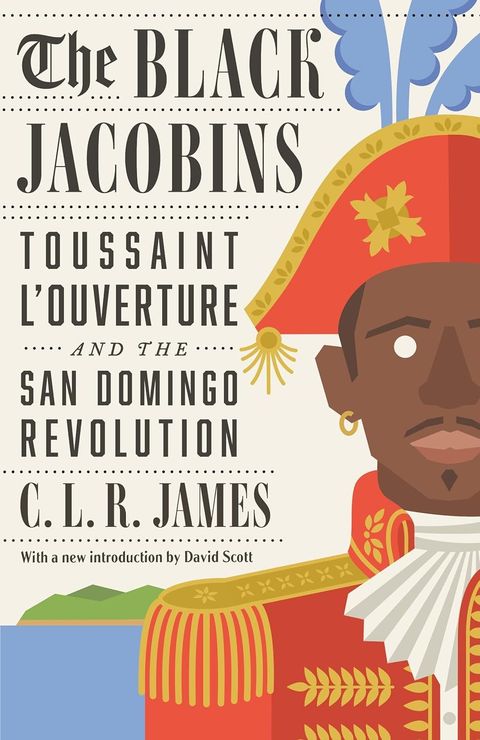
The Black Jacobins
SynopsisPlot
The Black Jacobins, by Trinidadian historian C. L. R. James, was the first major analysis of the uprising that began in the wake of the storming of the Bastille in France and became the model for liberation movements from Africa to Cuba. It is the story of the French colony of San Domingo, a place where the brutality of plantation owners toward enslaved people was horrifyingly severe.
Story
About this book
In 1789, the French colony of Saint-Domingue accounted for roughly two-thirds of France's overseas trade and was the largest market in the European slave trade. The entire economy of the colony rested on the labor of approximately half a million enslaved people. C.L.R. James, a Trinidadian historian, wrote The Black Jacobins as the first major study of what happened when that system broke apart. The book traces how the upheaval of the French Revolution rippled across the Atlantic and helped ignite a revolt in August 1791.
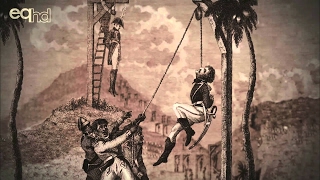
The enslaved population of Saint-Domingue fought for twelve years against a succession of opponents: local white colonists, soldiers loyal to the French monarchy, a Spanish invasion, a British expedition of some 60,000 troops, and a French force of similar size sent by Napoleon and led by his own brother-in-law. The defeat of Napoleon's army in 1803 led to the founding of Haiti, an independent state that has endured since then.
James examines how people held in extreme subjugation organized themselves into a force capable of resisting several European powers at once. The book connects events in Paris and in the Caribbean, showing how colonial economics, revolutionary ideology, and military strategy shaped the course of the revolt.