Amazons of Black Sparta
SynopsisPlot
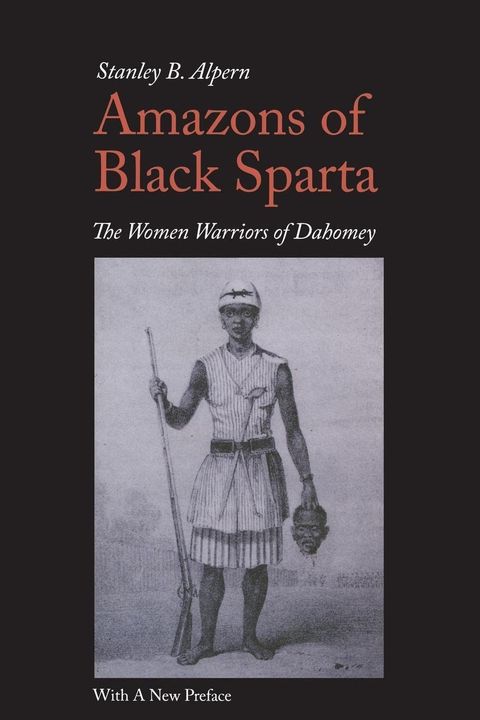
The only thoroughly documented Amazons in world history are the women warriors of Dahomey, an eighteenth- and nineteenth-century Western African kingdom. Once dubbed a ‘small black Sparta,’ residents of Dahomey shared with the Spartans an intense militarism and sense of collectivism. Moreover, the women of both kingdoms prided themselves on bodies hardened from childhood by rigorous physical exercise. But Spartan women kept in shape to breed male warriors, Dahomean Amazons to kill them. Originally palace guards, the Amazons had evolved by the 1760s into professional troops armed mainly with muskets, machetes and clubs. By the 1840s their numbers had grown to 6,000. The Amazons served under female officers and had their own bands, flags and insignia: they outdrilled, outshot and outfought men, became frontline troops and fought tenaciously and with great valor till the kingdom’s defeat by France in 1892.
Story
About this book
The Kingdom of Dahomey, located in what is now Benin in West Africa, maintained an unusual military force from at least the mid-eighteenth century until its defeat by France in 1892. Its army included thousands of women soldiers, often called Amazons by European observers. Stanley B. Alpern's study traces the origins and development of these troops, who began as palace guards and grew into a professional fighting corps numbering around 6,000 by the 1840s.
Alpern examines the structure of this force in detail. The women served under their own female officers and carried muskets, machetes, and clubs. They had their own flags, insignia, and military bands. The book draws a comparison between Dahomey and ancient Sparta, noting that both societies practiced intense militarism and collective discipline, and that women in both cultures underwent demanding physical training from a young age. But the purposes diverged: Spartan women trained to bear strong sons, while Dahomean women trained to fight on the front lines themselves.
The book covers the social conditions that shaped recruitment, the daily life of the soldiers, and the military campaigns they took part in, including the final conflict with French colonial forces. Dahomey's territory corresponds closely to the modern nation of Benin.