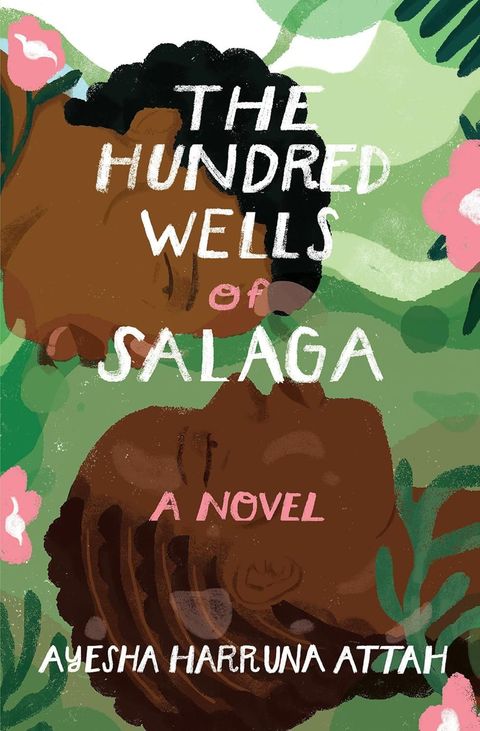
The Hundred Wells of Salaga
SynopsisPlot
Aminah lives an idyllic life until she is brutally separated from her home and forced on a journey that transforms her from a daydreamer into a resilient woman. Wurche, the willful daughter of a chief, is desperate to play an important role in her father's court. These two women's lives converge as infighting among Wurche's people threatens the region, during the height of the slave trade at the end of the nineteenth century. Through the experiences of Aminah and Wurche, The Hundred Wells of Salaga offers a remarkable view of slavery and how the scramble for Africa affected the lives of everyday people.
Story
About this book
Set in late nineteenth-century Ghana, The Hundred Wells of Salaga follows two women whose lives are shaped by the slave trade and political conflict in the region. Aminah grows up in a peaceful setting before she is violently taken from her family and forced into a life far removed from everything she has known. The experience changes her from a quiet, inward-looking girl into someone who must find ways to endure. Wurche, meanwhile, is the strong-willed daughter of a local chief. She wants influence in her father's court, but the politics around her are volatile and increasingly dangerous.
The novel is drawn from true events and takes place during a period when internal power struggles among communities in what is now northern Ghana coincided with growing European interest in the continent. Ayesha Harruna Attah uses the two alternating perspectives to show how the slave trade operated not only through outside forces but also through local rivalries and alliances. Salaga itself was a real market town, historically one of the largest trading centers in the region.
By grounding its narrative in specific places and documented history, the book gives a close view of how ordinary lives were caught up in larger shifts of power during the final decades before colonial rule reshaped West Africa.