Sugar in the Blood
SynopsisPlot
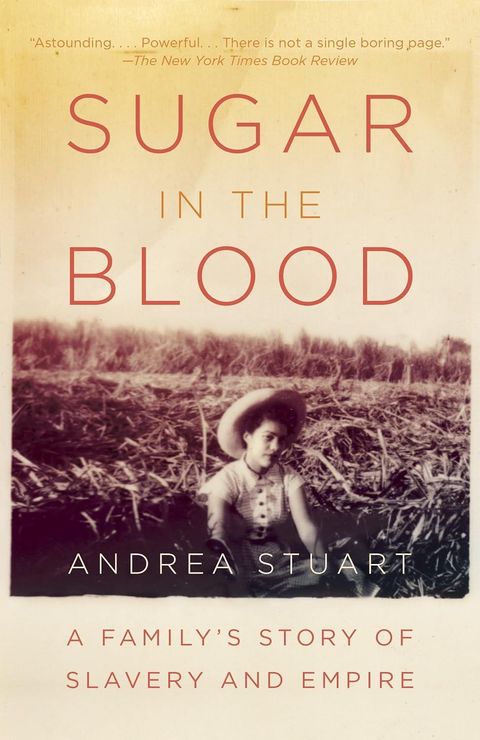
In the late 1630s, lured by the promise of the New World, Andrea Stuart’s earliest known maternal ancestor, George Ashby, set sail from England to settle in Barbados. He fell into the life of a sugar plantation owner by mere chance, but by the time he harvested his first crop, a revolution was fully under way: the farming of sugar cane, and the swiftly increasing demands for sugar worldwide, would not only lift George Ashby from abject poverty and shape the lives of his descendants, but it would also bind together ambitious white entrepreneurs and enslaved black workers in a strangling embrace. Stuart uses her own family story—from the seventeenth century through the present—as the pivot for this epic tale of migration, settlement, survival, slavery and the making of the Americas.
Story
About this book
In the late 1630s, a young Englishman named George Ashby sailed to Barbados hoping for a better life. He became a sugar plantation owner largely by accident, but his timing placed him at the start of a transformation that would reshape the Caribbean and the wider Atlantic world. Andrea Stuart, a descendant of Ashby on her maternal side, traces her family line from that arrival through several centuries to the present day, using genealogy as a framework for a broader history of sugar, colonial settlement, and slavery in the Americas.
Stuart's account follows the intertwined fates of planters and enslaved workers whose lives were bound together by the economics of sugar cane. As European demand for sugar grew, Barbados and neighboring islands became sites of forced labor on an enormous scale. The book examines how wealth generated by plantations shaped family identity, social hierarchy, and financial standing across generations. Stuart also authored The Rose of Martinique, an earlier work set in the colonial Caribbean.
By anchoring the narrative in one family's documented past, Stuart connects large historical forces to specific people and places. The book moves between Barbados, England, and the broader Caribbean, mapping how migration and the sugar trade left marks on both landscape and lineage.