The Price of Freedom
SynopsisPlot
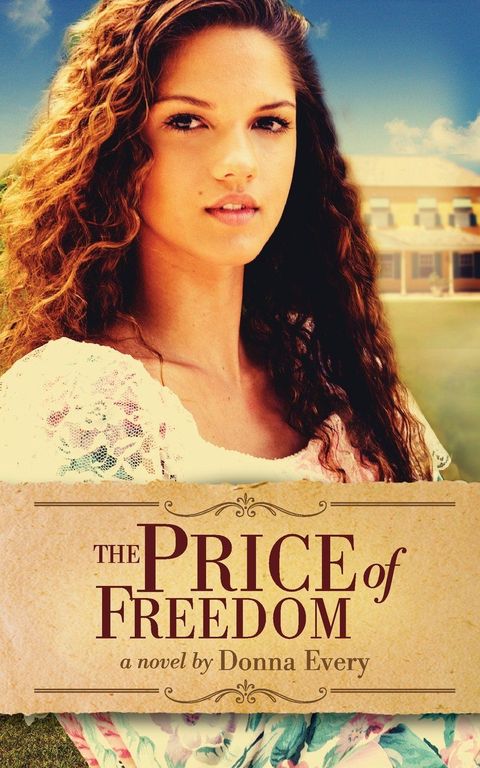
In 1670 a group of Barbadian Adventurers left Speightstown in Barbados and sailed to Carolina where they established Charles Town. Twenty-six years later, Richard Fairfax, son of one of the original settlers, leaves Carolina to visit his uncle’s sugar plantation in Barbados, at a time when the island is at the peak of its wealth and influence and the planters live like gods, denying themselves nothing. Deborah is a beautiful quadroon house slave, whose hunger for freedom makes her vulnerable to Richard who is captivated by her beauty and spirit. He holds the keys to her freedom, but will she be willing to pay the price? And will Richard be the one to find himself enslaved?
Story
About this book
In 1670, a group of settlers from Speightstown in Barbados sailed to Carolina and founded Charles Town. Donna Every's novel picks up the story twenty-six years later, when Richard Fairfax, the son of one of those original adventurers, travels back to Barbados to visit his uncle's sugar plantation. The island is then at the height of its sugar wealth, and the planter class lives in extravagance built on the labor of enslaved people.
At the center of the story is Deborah, a quadroon house slave, a term used in the colonial Caribbean for a person of one-quarter African ancestry. Deborah wants freedom above anything else, and Richard holds the means to grant it. Their connection is shaped by an imbalance of power that neither can fully escape. The novel frames their situation as a transaction: freedom has a cost, and the question is what each person is prepared to give up or accept.
The setting draws on the real historical link between Barbados and the Carolina colony. Barbadian planters were among the earliest English settlers in what became Charleston, and they brought plantation customs and slave codes with them. Every uses this colonial corridor as the backdrop for a story about captivity, desire, and the cost of autonomy.