SynopsisPlot
Cynthia McLeod presents a frank exposé of life in a Dutch colony when sugar was king and demanded the consummate allegiance of all—colonists and slaves—regardless of the tragic consequence.
Story
About this book
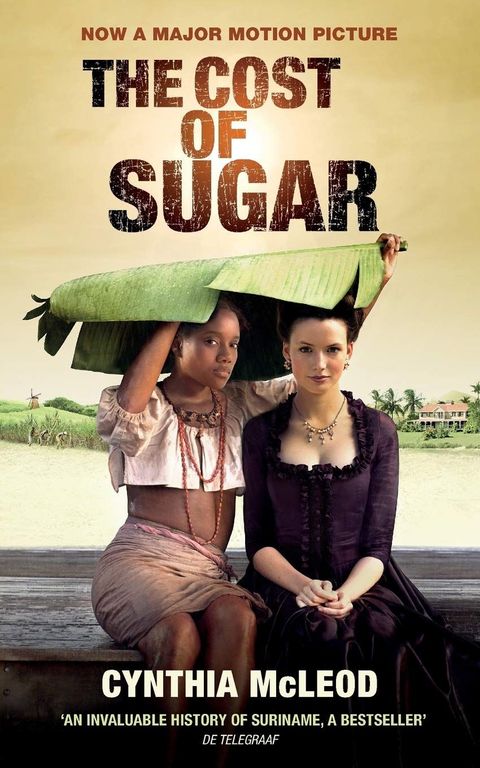
The Cost of Sugar is set in eighteenth-century Suriname, then a Dutch plantation colony on the northern coast of South America. Cynthia McLeod, one of Suriname's best-known novelists, follows the lives of two stepsisters, Elza and Mini-mini, whose different positions in colonial society expose the workings of a world organized around sugar production. Elza is white and European-born; Mini-mini is of mixed heritage. Their fates diverge sharply as each encounters the rigid racial hierarchy that governs everyday life on and around the plantations.
The novel presents plantation society without softening its conditions. Enslaved people, free people of color, plantation owners, and colonial administrators all appear within a system where sugar dictates social order, labor, punishment, and opportunity. McLeod draws on the specific geography and history of Suriname, a colony that remained under Dutch control long after most of South America shifted to other European powers or independence.
Originally published in Dutch as Hoe duur was de suiker? in 1987, the book became widely read in Suriname and the Netherlands. McLeod, born in Paramaribo, is a historian by training, and her fiction draws on archival sources from the colonial period.