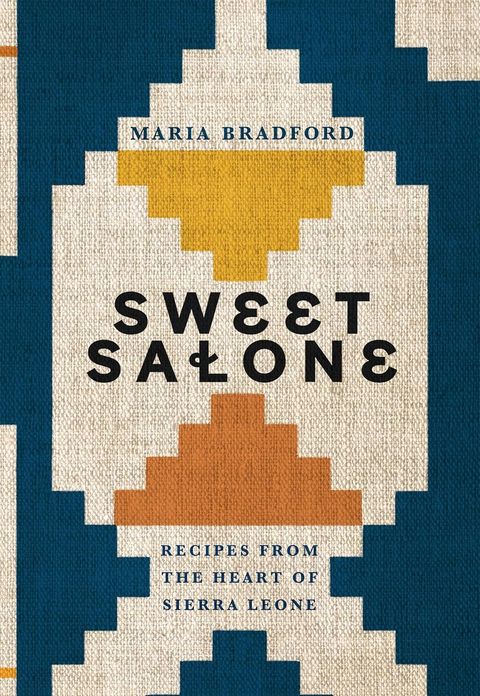
Sweet Salone: Recipes from the Heart of Sierra Leone
SynopsisPlot
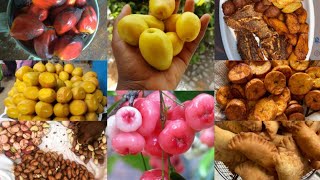
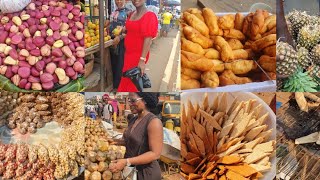
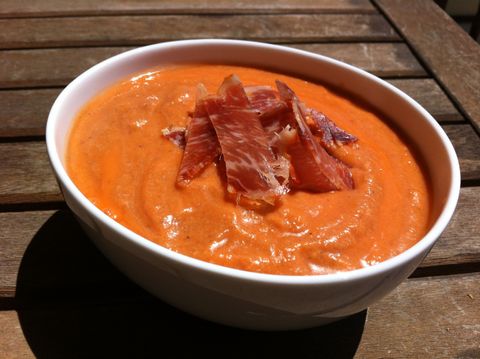
As a small country on the west coast of Africa, throughout its history Sierra Leone has always embraced diversity – and this willingness to discover and grow has shaped Sierra Leone's rich food culture. Forged by history, people and place, the cuisine is completely unique. Maria Bradford's recipes, inspired by her grandmother's cooking, have at their heart the traditional meals of Maria's childhood, introducing delicious Afro-fusion dishes and flavors. Characterized by key ingredients including tamarind, beans, sesame seeds, mango, chili and pineapple, in Maria's hands these ingredients become something truly special. Moreover, she tells the story of the cuisine and the people, shedding light on everyday life through exclusive location photography.
Story
About this book
Sweet Salone is a cookbook rooted in Sierra Leone, a small West African country whose food traditions reflect centuries of cultural exchange. Maria Bradford draws on recipes passed down from her grandmother, centering the book on the traditional meals she grew up eating. The dishes sit within what Bradford describes as Afro-fusion cooking, combining local techniques and flavors with broader influences that have shaped Sierra Leonean kitchens over time.
Key ingredients recur throughout the book: tamarind, beans, sesame seeds, mango, chili, and pineapple. These form the base of a cuisine that Bradford presents as distinct from neighboring West African food traditions, shaped by the particular history and geography of Sierra Leone. The word Salone is a common Krio-language name for the country, used widely in everyday speech.
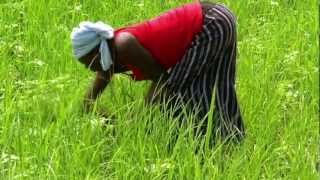
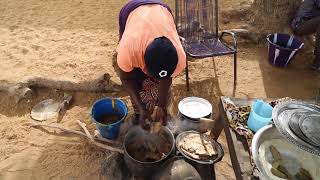
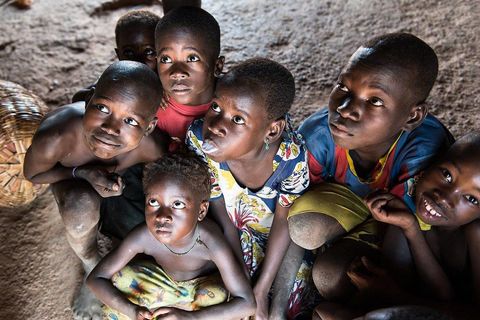
Beyond recipes, the book includes location photography that documents daily life in Sierra Leone. Bradford uses these images to connect the food to the places and people it comes from, offering context for the dishes rather than treating them in isolation. The result is a cookbook that also functions as a portrait of a national food culture still relatively unfamiliar to many readers outside West Africa.