The Malian Kitchen
SynopsisPlot
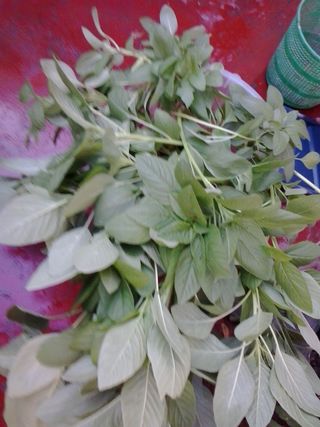
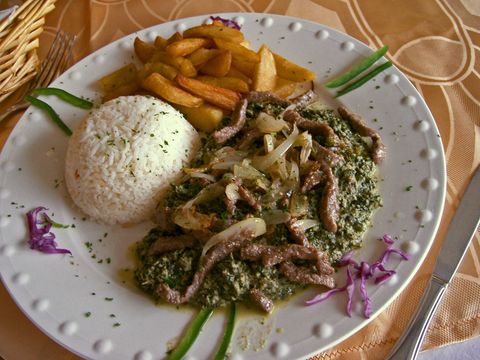
In Mali, West Africa, a very special tree grows. Known as the “Tree of Life,” the leaves of Moringa oleifera are packed with nutrients, including B vitamins, vitamin C, provitamin A as beta-carotene, vitamin K, manganese, and protein. The little leaves of this tree are so potent, it has been said, "Moringa can prevent 300 different diseases."When Chef Benedicto Marinas visited Mali in 2016, he set to work teaching the villagers how to bring this nutritious ingredient to their tables. The result was 30 delicious recipes featuring ingredients readily found in Mali – all containing moringa. With simple instructions and mouth watering photos, The Malian Kitchen will bring a taste of Mali to your table!
Story
About this book
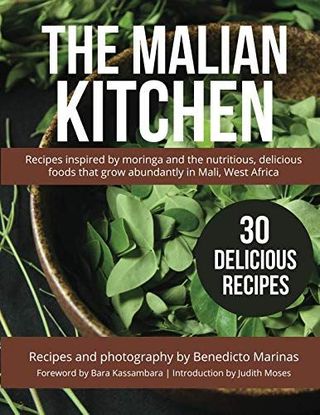
The Malian Kitchen is a cookbook by Benedicto Marinas built around moringa, a plant whose leaves are unusually dense in nutrients. Moringa oleifera, sometimes called the Tree of Life, contains notable levels of B vitamins, vitamin C, provitamin A in the form of beta-carotene, vitamin K, manganese, and protein. The tree grows widely across Mali and other parts of West Africa, and its leaves appear as an ingredient in all thirty recipes collected here.
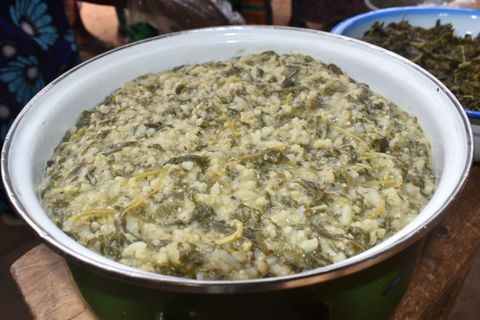
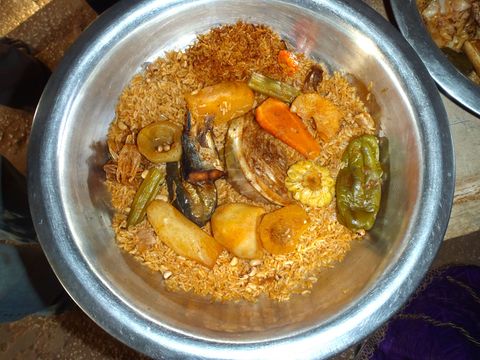
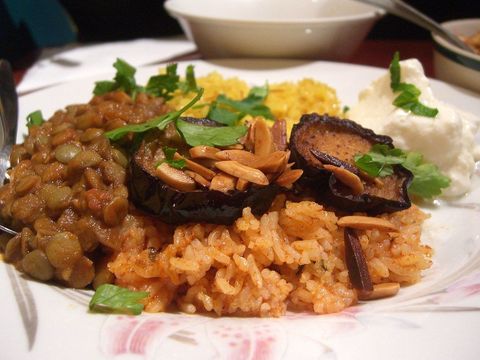
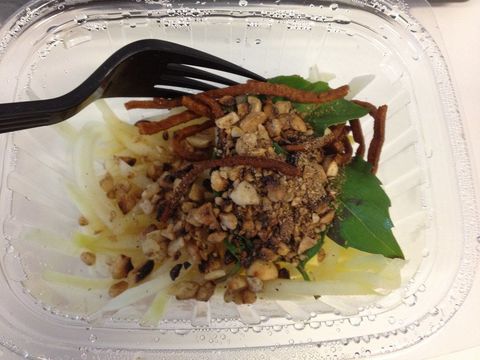
Marinas, a chef, visited Mali in 2016 and worked with local villagers to develop dishes using moringa alongside other ingredients commonly available in the region. The recipes are designed to be straightforward, with simple instructions and photographs of the finished dishes. Rather than adapting Malian food for outside kitchens stocked with imported goods, the book focuses on what already grows in abundance locally. This gives the collection a practical shape: each recipe is tied to ingredients that people in Mali can find nearby.
The book sits at the intersection of nutrition education and home cooking. By centering one highly nutritious plant and pairing it with familiar local foods, it functions as both a recipe collection and a small guide to moringa as a dietary resource.