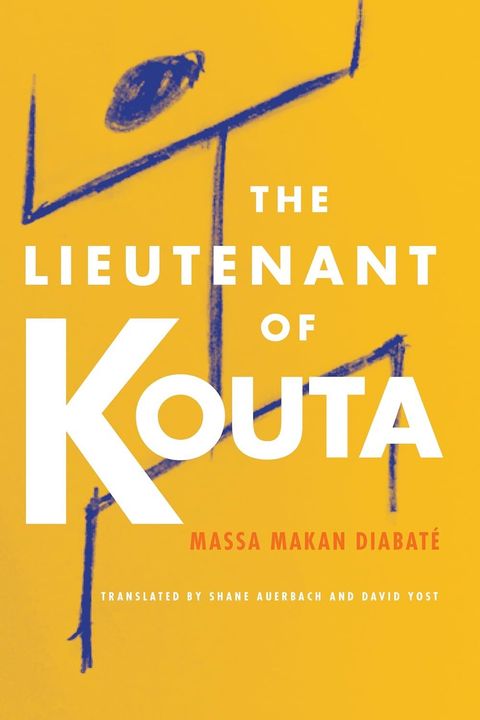
The Lieutenant of Kouta
SynopsisPlot
Featuring an introduction by leading Diabaté scholar Cheick M. Chérif Keïta and Shane Auerbach, it tells the story, part tragicomic and part hagiographic, of an African lieutenant in the French Army who returns as a decorated hero from the battlefields of Europe to Kouta, a fictionalized version of the author’s own birthplace, the Malian town of Kita. Upon his return, Siriman Keita finds it difficult to adjust to village life as he navigates traditional customs in his attempts to create his place in the predominantly Muslim Kouta. The novel offers a rich and nuanced representation of Mali on the brink of independence; it is a tapestry of traditional Mandinka society and the French colonial apparatus, illustrating the dynamic interplay between the two. This text is, ultimately, a story of one man’s transformation coinciding with that of his country.
Story
About this book
Siriman Keita is an African lieutenant in the French Army who returns to his village of Kouta after serving in the wars of Europe. He comes home decorated and changed, but the village he left behind has its own rhythms. Kouta is a fictionalized version of Kita, the Malian town where author Massa Makan Diabaté was born. The story follows Siriman as he tries to find his footing in a predominantly Muslim community whose customs and expectations do not always align with the life he has known as a soldier abroad.
The novel sits at a specific historical moment: Mali on the edge of independence from France. Siriman's personal difficulty adjusting to village life runs alongside broader tensions between traditional Mandinka social structures and the French colonial system. Diabaté treats these tensions with a tone described as both tragicomic and hagiographic, giving Siriman's story a layered quality that moves between sympathy and gentle satire.
The Lieutenant of Kouta is the first novel in a trilogy by Diabaté. This edition includes an introduction by Diabaté scholar Cheick M. Chérif Keïta and Shane Auerbach, which provides context for the work and its place within Diabaté's broader writing on Mandinka culture and Malian history.