The Fortunes of Wangrin
SynopsisPlot
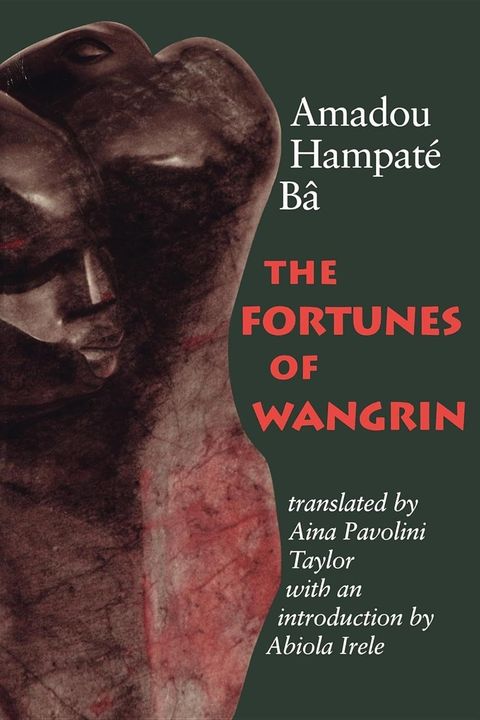
Wangrin is a rogue and an operator, hustling both the colonial French and his own people. He is funny, outrageous, corrupt, traditional, and memorable. Bâ's book bridges the chasm between oral and written literature. The stories about Wangrin are drawn from oral sources, but in the hands of this gifted writer these materials become transformed through the power of artistic imagination and license.
Story
About this book
The Fortunes of Wangrin follows a quick-witted trickster figure navigating life under French colonial rule in West Africa. Wangrin works within the colonial system while simultaneously exploiting it, playing French administrators and local leaders against each other for his own benefit. He is charming, morally flexible, and resourceful, a character shaped by the contradictions of a society caught between indigenous traditions and foreign authority.
Amadou Hampaté Bâ, a Malian writer and ethnologist, built the novel from oral sources. The stories of Wangrin circulated as spoken accounts before Bâ shaped them into a written narrative, applying his own literary craft to material rooted in an older storytelling tradition. The result sits at a crossing point between two ways of preserving memory and experience. Bâ spent much of his career collecting and recording oral traditions from across the Sahel region, and this book reflects that long practice.
The novel is considered a landmark in Francophone African literature. Its tone is comic and picaresque rather than solemn, following Wangrin through schemes and reversals with an energy closer to folk narrative than to European realism. Colonial power appears not as an abstract force but as a system full of gaps that a clever operator can turn to advantage.