A Spirit of Tolerance: The Inspiring Life of Tierno Bokar
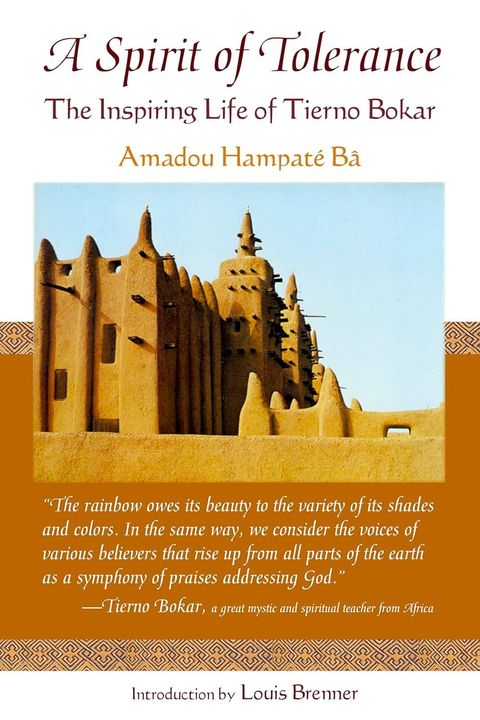
SynopsisPlot
Tierno Bokar (1875-1939), African mystic and Muslim spiritual teacher, was remarkable for the drama of his life story (which was made into a recent play directed by Peter Brook). His message of religious tolerance and universal love is profoundly important in a world where different faiths are often at odds with each other.
Story
About this book
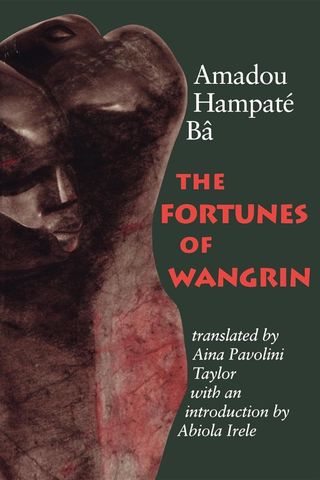
Tierno Bokar was a Muslim spiritual teacher born in 1875 in what is now Mali. He spent his life in the towns of the inland Niger Delta region, teaching students and developing a philosophy centered on tolerance among faiths and compassion across social boundaries. Amadou Hampâté Bâ, himself a student of Bokar and a widely respected figure in the preservation of West African oral tradition, wrote this account of his teacher's life and ideas.
Bokar lived during a period of French colonial rule in West Africa, and the book traces the pressures he faced from both colonial authorities and from divisions within the Muslim communities around him. His insistence on openness toward other religious paths placed him at odds with more rigid local currents. He died in 1939, largely isolated from the community that had once gathered around him. The account draws heavily on oral sources, reflecting Hampâté Bâ's lifelong commitment to recording spoken knowledge before it disappeared.
Peter Brook later adapted elements of Bokar's story into a stage production, bringing the teacher's circumstances to a wider international audience. The book remains one of the few detailed records of Bokar's philosophy and the specific West African setting in which it took shape.