A Brief History of Seven Killings
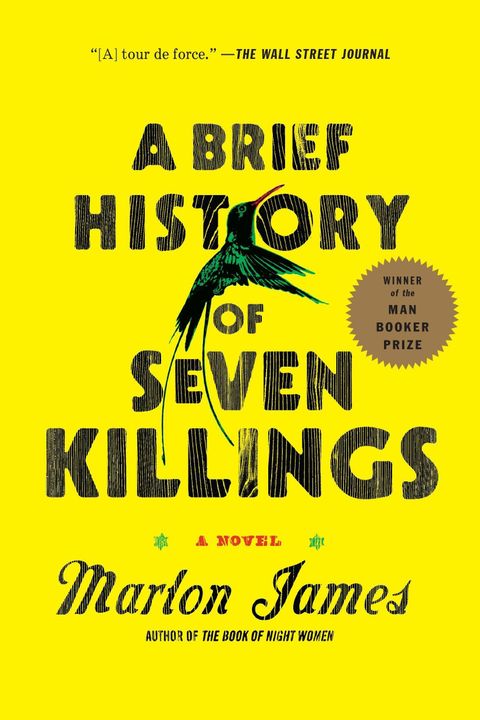
SynopsisPlot
On December 3, 1976, just before the Jamaican general election and two days before Bob Marley was to play the Smile Jamaica Concert to ease political tensions in Kingston, seven unnamed gunmen stormed the singer’s house, machine guns blazing. The attack wounded Marley, his wife, and his manager, and injured several others. Little was officially released about the gunmen, but rumors abounded regarding the assassins’ fates. A Brief History of Seven Killings is James’s fictional exploration of that dangerous and unstable time in Jamaica’s history and beyond. Deftly spanning decades and continents and people with a wide range of characters—assassins, drug dealers, journalists, and even ghosts—James brings to life the people who walked the streets of 1970s Kingston, who dominated the crack houses of 1980s New York, and who reemerged into a radically altered Jamaica of the 1990s.
Story
About this book
On December 3, 1976, seven gunmen entered Bob Marley's house in Kingston, Jamaica, and opened fire. The attack came two days before the Smile Jamaica Concert, which Marley had organized to calm tensions ahead of a general election. Marley, his wife, and his manager were wounded. Others were injured. Little official information about the gunmen was ever released, though speculation about their identities and fates spread widely. Marlon James uses this real incident as the starting point for a large fictional narrative structured as an oral history, told through many voices.
The novel follows a broad cast of characters across decades and locations. Among them are assassins, drug dealers, journalists, and figures from Kingston's political underworld during the volatile 1970s. The story extends forward into the crack trade of 1980s New York and then into a changed Jamaica of the 1990s. James gives each narrator a distinct voice, building the book from overlapping and sometimes contradicting accounts.
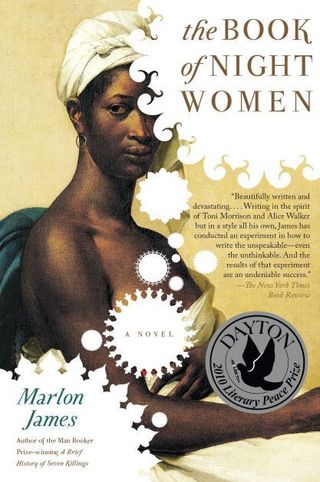
The range of perspectives means the novel moves between personal survival, political violence, and the drug economy without settling on a single explanation for any of it. James previously published The Book of Night Women, and this novel shares that earlier work's attention to how power and violence shape ordinary lives in the Caribbean and its diaspora.