Journey to the End of the Night
SynopsisPlot
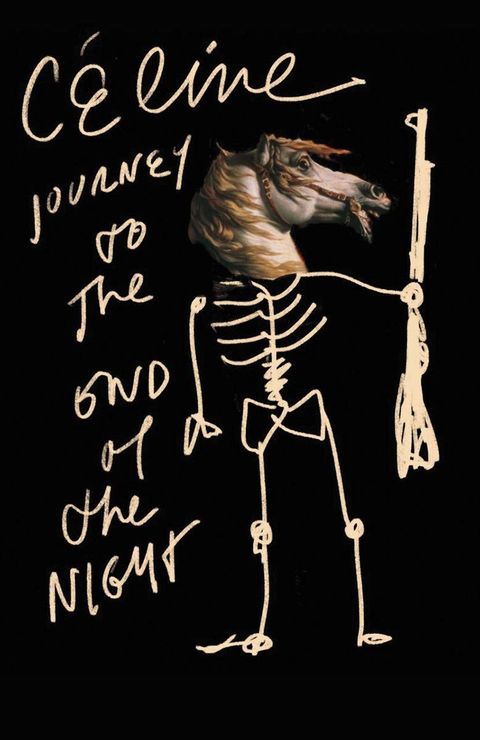
Journey to the End of the Night is a literary symphony of cruelty and violence that hurtles through the improbable travels of the petit bourgeois (and largely autobiographical) antihero, Bardamu: from the trenches of WWI to the African jungle, to New York, to the Ford Factory in Detroit, and finally to life in Paris as a failed doctor.
Story
About this book
Journey to the End of the Night, first published in 1932, follows Ferdinand Bardamu, a largely autobiographical antihero drawn from the lower middle class. The novel opens with Bardamu enlisting impulsively in the French army during World War I, and his time in the trenches leaves him shaken and cynical. From there, he moves through a series of locations that each expose a different face of exploitation and absurdity: colonial Africa, New York City, and the Ford automobile factory in Detroit.
Céline wrote in a style that broke sharply with the literary French of his time. The prose is colloquial, aggressive, and built on long, rolling sentences that mirror spoken language. Bitter humor runs through nearly every scene, directed at institutional hypocrisy, human cruelty, and the gap between public ideals and private behavior. Bardamu eventually returns to Paris and works as a struggling doctor in a poor district, but the novel offers no comfortable arc of recovery or redemption.
The book drew immediate attention and controversy when it appeared. Its unflinching depiction of war, colonialism, and urban poverty is delivered without sentimentality, and Bardamu remains an observer whose failures are as visible as those of the world around him.