All Quiet on the Western Front

SynopsisPlot
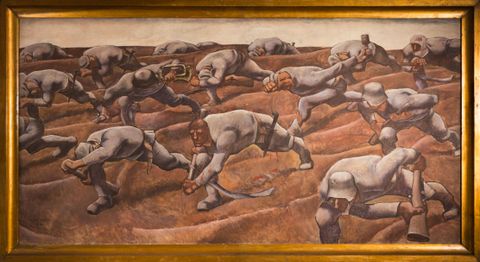
The story is told by a young 'unknown soldier' in the trenches of Flanders during the First World War. Through his eyes we see all the realities of war; under fire, on patrol, waiting in the trenches, at home on leave, and in hospitals and dressing stations. Although there are vividly described incidents which remain in mind, there is no sense of adventure here, only the feeling of youth betrayed and a deceptively simple indictment of war - of any war - told for a whole generation of victims.
Story
About this book
Erich Maria Remarque published All Quiet on the Western Front in 1929, drawing on his own experience as a German soldier in the First World War. The novel follows Paul Bäumer, a young man who enlists alongside his school classmates after encouragement from their teacher. What begins with a sense of shared purpose fractures once the group reaches the front lines in Flanders, where bombardment, hunger, and exhaustion replace the ideals they carried from the classroom.
Paul narrates life in the trenches, on patrol, during periods of leave, and inside field hospitals and dressing stations. Remarque presents these episodes without adventure or heroism. The book stays close to the physical and psychological costs of prolonged combat, recording how the soldiers lose their connection to the civilian world they left behind. The education and values they were taught offer little guidance for what they meet daily.
The novel first appeared in instalments in a German newspaper before being published as a book. It became one of the most widely read accounts of the First World War and was translated into dozens of languages. Remarque, born in Osnabrück, later left Germany and eventually settled in Switzerland.