Siddhartha
SynopsisPlot
It is the story of the quest of Siddhartha, a wealthy Indian Brahmin who casts off a life of privilege and comfort to seek spiritual fulfillment and wisdom. On his journey, Siddhartha encounters wandering ascetics, Buddhist monks, and successful merchants, as well as a courtesan named Kamala and a simple ferryman who has attained enlightenment. Traveling among these people and experiencing life’s vital passages–love, work, friendship, and fatherhood–Siddhartha discovers that true knowledge is guided from within.
Story
About this book
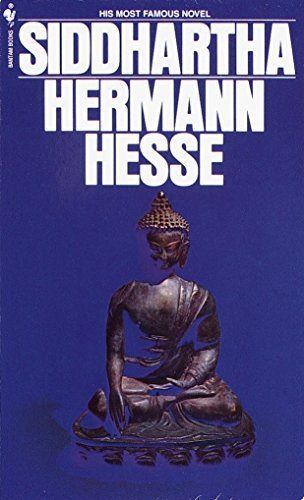
Siddhartha, written by Hermann Hesse and first published in 1922, follows a young Brahmin in ancient India who leaves behind wealth and privilege to search for spiritual understanding. The story is set during the time of Gautama Buddha, and the title character encounters the Buddha's teachings early in his path. Yet Siddhartha chooses not to become a follower, believing that genuine insight cannot be passed from one person to another through doctrine alone.
His search leads him through sharply different phases of life. He spends time among wandering ascetics practicing self-denial, then enters a city where he learns the ways of trade and pleasure from a merchant and a courtesan named Kamala. Each stage brings knowledge but also restlessness, and Siddhartha eventually finds himself near a river, where a quiet ferryman lives a life of close attention to the water and its movements.
Hesse traveled to India in the 1910s, and the novel reflects his interest in both Hindu and Buddhist traditions. The book is short and structured almost like a parable, with each chapter marking a distinct turn in Siddhartha's experience. Fatherhood, loss, and ordinary labor all figure into the later sections of the story.