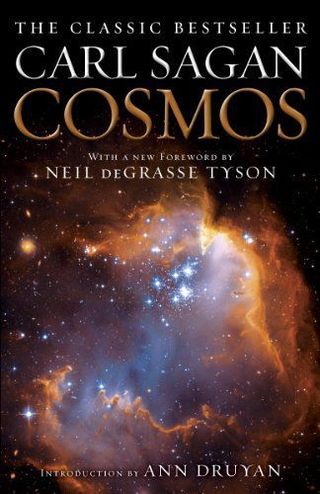
Cosmos
SynopsisPlot
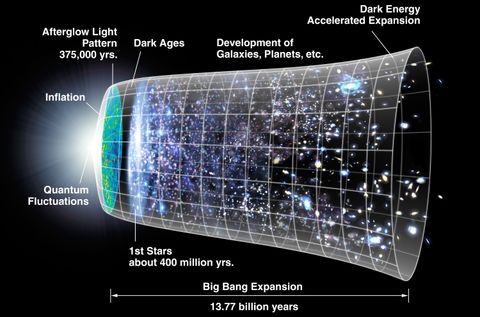
In clear-eyed prose, Sagan reveals a jewel-like blue world inhabited by a life form that is just beginning to discover its own identity and to venture into the vast ocean of space. Cosmos retraces the fourteen billion years of cosmic evolution that have transformed matter into consciousness, exploring such topics as the origin of life, the human brain, Egyptian hieroglyphics, spacecraft missions, the death of the Sun, the evolution of galaxies, and the forces and individuals who helped to shape modern science.
Story
About this book
Cosmos moves between two scales at once: the whole history of the universe, and the small blue planet where one species has begun to ask questions about it. Carl Sagan follows roughly fourteen billion years of cosmic evolution, tracing how matter slowly gave rise to life and then to minds able to study their own origins. The book treats science as part of human civilization, something that grew up alongside it rather than apart from it.
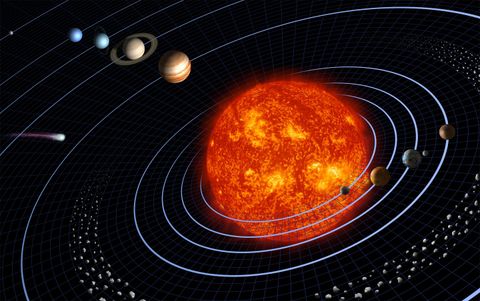
The path is wide. Sagan visits the Library of ancient Alexandria and the scholars who worked there, then turns to figures such as Democritus, Hypatia, Kepler, Newton, Huygens, and Champollion, whose work helped build modern science. He explains how researchers decoded Egyptian hieroglyphics, what spacecraft missions revealed about nearby planets, how the human brain functions, and how galaxies form and change. The far future appears too, including the eventual death of the Sun.
The book closes by looking outward, weighing the evidence for life on other worlds and how humans might one day exchange messages across interstellar space. Cosmos has since become one of the bestselling science books of all time, a record of public curiosity as much as of publishing.