Our Planet
SynopsisPlot
With six hundred members of crew filming in fifty countries over four years, the directors that brought us the original Planet Earth and Blue Planet now take readers on a journey across all the globe’s different biological realms to present stunning visuals of nature's most intriguing animals in action, and environmental change on a scale that must be seen to be believed. Featuring some of the world's rarest creatures and previously unseen parts of the Earth―from deep oceans to remote forests to ice caps―Our Planet takes nature-lovers deep into the science of our natural world. Revealing the most amazing sights on Earth in unprecedented ways, alongside stories of the ways humans are affecting the world’s ecosystems―from the wildebeest migrations in Africa to the penguin colonies of Antarctica―this book places itself at the forefront of a global conversation as we work together to protect and preserve our planet. With a keepsake package featuring debossing and foil stamping, this groundbreaking coffee-table book reveals the most amazing sights on Earth in unprecedented ways.
Story
About this book
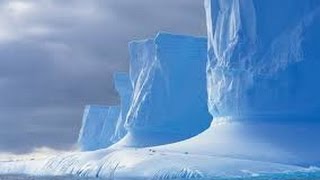
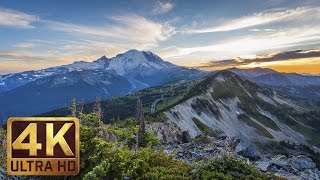
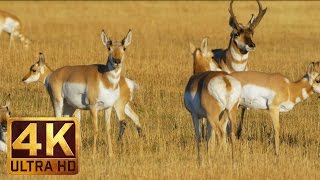
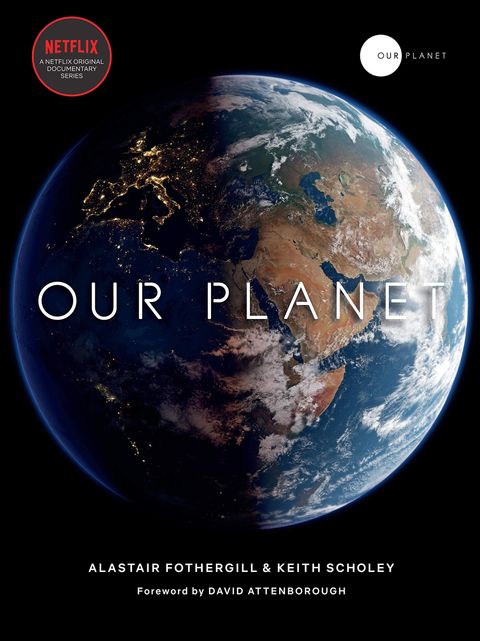
Our Planet is a large-format photographic book produced alongside the Netflix documentary series of the same name. Alastair Fothergill, who previously directed Planet Earth and Blue Planet, oversaw a crew of roughly six hundred people filming across fifty countries over four years. The book presents photographs from those shoots, covering a wide range of biological environments: deep ocean floors, remote forests, polar ice caps, open grasslands, and coastal habitats.
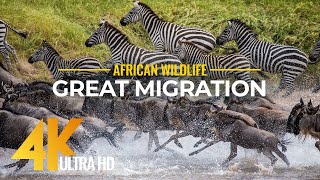
The subject matter spans both wildlife and environmental change. Readers encounter animals such as wildebeest during their migrations across Africa and penguin colonies in Antarctica, alongside less familiar species from habitats rarely documented on camera. Each section pairs these images with explanations of how ecosystems function and how human activity is altering them. The scale of habitat loss, ice retreat, and shifting animal populations is presented through visual evidence gathered during the production.
The physical book is designed as a display volume, with a debossed and foil-stamped cover. It draws on the same footage and research that informed the documentary series, offering still images and contextual writing where the screen version relied on moving footage and narration.