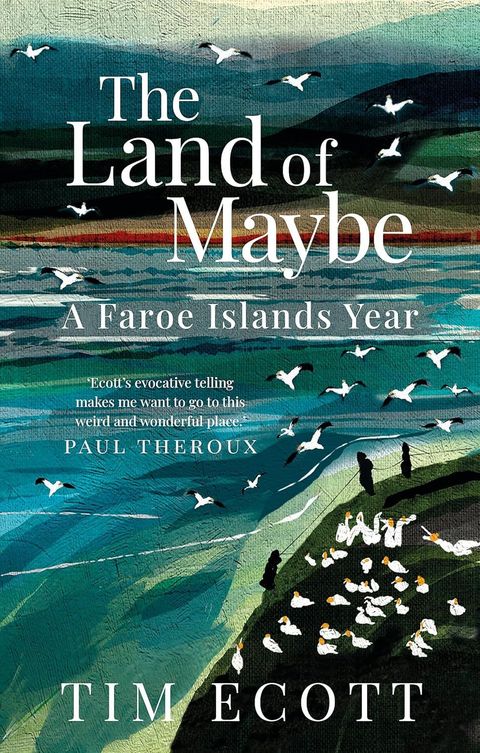
The Land of Maybe: A Faroe Islands Year
SynopsisPlot
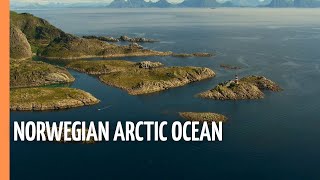
Following the natural cycle of the year, The Land of Maybe captures the essence of 'slow life' on the 18 remote, mysterious islands which make up the Faroes in the North Atlantic. Closer to the UK than Denmark, this fast disappearing world is home to a close-knit society where just 50,000 people share Viking roots and a language that is unlike any other in Scandinavia. We follow the arrival of the migratory birds, the over-wintering of the sheep and the way food is gathered and eaten in tune with the seasons. Buffeted by the weather and the demands of a volatile natural environment, people still hunt seabirds and herd pilot whales for a significant portion of their basic food needs.
Story
About this book
The Faroe Islands are a cluster of 18 small islands in the North Atlantic, situated closer to the United Kingdom than to Denmark, the country to which they are politically linked. Around 50,000 people live there, sharing Viking ancestry and speaking Faroese, a language distinct from the other Scandinavian tongues. Tim Ecott's book follows the rhythm of a single year on the islands, tracing daily life as it shifts with the seasons.
Ecott describes how food gathering still follows older patterns. Sheep overwinter on exposed hillsides, migratory birds arrive and depart on schedules that shape local activity, and communities continue to hunt seabirds and herd pilot whales as a practical source of nutrition. Weather dominates nearly every decision. The book pays close attention to the way an unpredictable marine climate presses on small communities, affecting everything from travel between islands to the drying and fermenting of meat and fish.
The population is small enough that social ties are unusually tight. Ecott records how traditions, language, and seasonal routines hold together a society that sits exposed to some of the harshest conditions in the northeastern Atlantic.