Summer Light, and Then Comes the Night
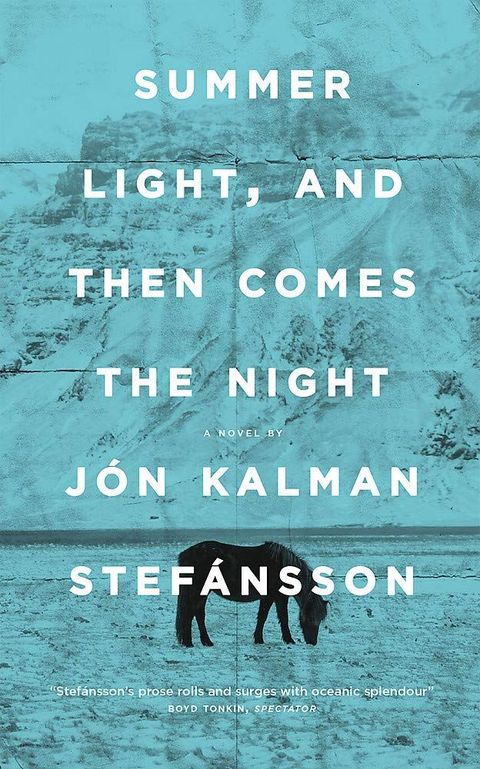
SynopsisPlot
Sometimes a distance from the noise of the world opens our hearts, our senses, and our dreams. The intensity of feelings erupts from the life of a village of four hundred souls in the Icelandic countryside, where the infinite light of summer makes its inhabitants want to explore, and the eternal night of winter lights up the magic of the stars. It becomes a microcosm of the eternal conflict between human desire and destiny, between the limits of reality and the wings of the imagination. The director who immerses himself in Latin and astronomy to the point of abandoning everything for the secrets of the universe, the greedy postman who reads every letter and then publicizes the villagers' private affairs, the lawyer who believes that the world is based on calculus, but then discovers that he cannot count the fish in the sea or his own tears.
Story
About this book
Summer Light, and Then Comes the Night is set in a village of about four hundred people in rural Iceland. Jón Kalman Stefánsson builds the book around the rhythms of the seasons, where summer brings nearly endless daylight and winter settles into long darkness lit by stars. In that isolation, the inner lives of the villagers surface with unusual force, shaped by desire, restlessness, and the pull between practical reality and imagination.
The book moves between characters whose obsessions define them. A director grows so absorbed in Latin and astronomy that he abandons his other responsibilities for the secrets of the universe. The postman opens and reads private letters, then spreads their contents through the village. A lawyer, certain that calculus explains everything, discovers that neither the fish offshore nor his own tears will add up.
Stefánsson writes with poetic attention and humour, observing human weakness with tenderness rather than judgment. The village works as a small model of larger tensions between longing and destiny, between what daily life allows and what the imagination proposes, questions the book keeps returning to.