In The Shadow of Death
SynopsisPlot
One by one, the thirteen men and a boy must deal with the creeping reality that they may not see the mainland ― or their loved ones ― again. There is fish to eat, and two horses if necessary, but the very surface of the floe is eroding steadily ... and the nights are cold and terrible. Without ever moralising or over-elaborating, Blaumanis coolly and efficiently observes the state of each of the main characters in turn, whether natural leaders, optimists, craven opportunists, terrified, stoic, compassionate or alienated. In the shadow of encroaching death, each must come to some kind of reckoning.
Story
About this book
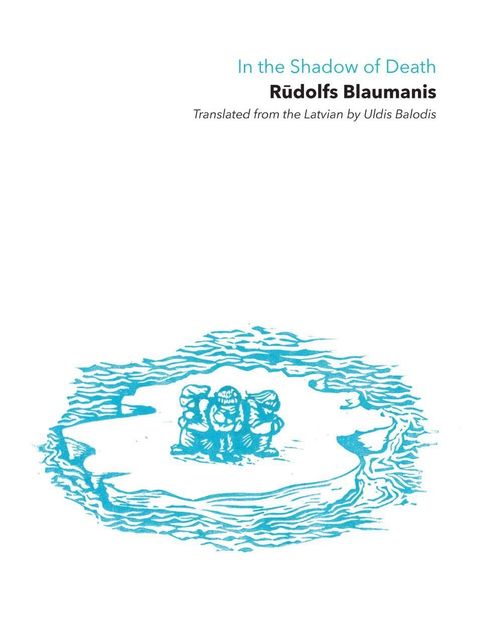
Rūdolfs Blaumanis published this short story in 1899, drawing on a real newspaper report of fishermen stranded on a drifting ice floe. Thirteen men and a boy find themselves cut off from the mainland after the section of ice they are working on breaks away and moves out to sea. They have fish to eat and two horses with them, but the floe itself is shrinking as it erodes, and the nights bring dangerous cold.
Blaumanis moves through the group one character at a time, observing how each person responds as the situation worsens. Some take on leadership; others fall into fear, calculation, or quiet resignation. The story avoids moral instruction and instead presents each reaction with steady, measured attention. What holds the narrative together is its restraint. The physical facts of the floe, the cold, and the distance from shore do the work that a more dramatic writer might assign to speeches or grand gestures.
Blaumanis is one of the central figures in Latvian literature from the late nineteenth century. He wrote plays, poetry, and prose, often set in rural Latvia. This particular story remains one of his most widely read works, shaped by its basis in an actual event and by its compact, controlled storytelling.