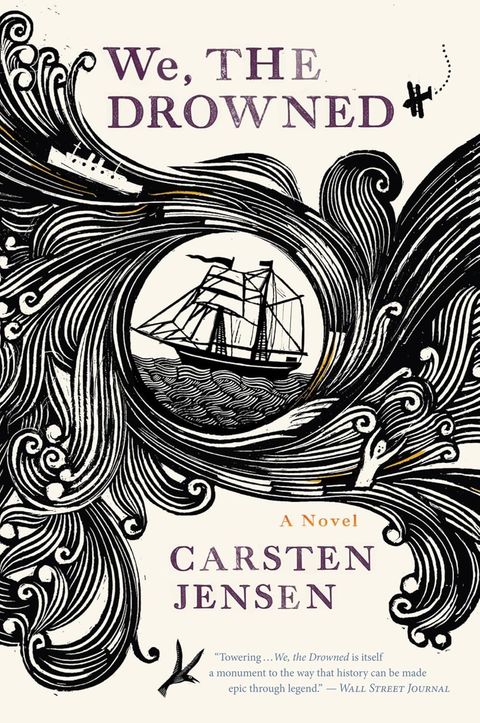
We, the Drowned
SynopsisPlot
Filled with adventure, cannibals, shrunken heads, prophetic dreams, forbidden passions, cowards, heroes, tragedies, love, and survival, this book takes its place among the greatest seafaring literature. We, the Drowned is the story of the port town of Marstal, Denmark, whose inhabitants sailed the world from the mid-nineteenth century to the end of the Second World War. The novel tells of ships wrecked and blown up in wars, of places of terror and violence that continue to lure each generation. The result is a brilliant seafaring novel, a gripping saga encompassing industrial growth, the years of expansion and exploration, the crucible of the first half of the twentieth century, and most of all, the sea.
Story
About this book
We, the Drowned follows the port town of Marstal on the Danish island of Aero across roughly a century, from the mid-1800s through the end of the Second World War. Carsten Jensen builds the narrative around successive generations of sailors, shipowners, and the families who stay ashore. The town's economy, identity, and self-understanding all revolve around the sea, and each generation inherits the pull of distant waters along with the losses that come with them.
The novel moves through periods of wooden sailing ships, steam power, and global conflict. Wars destroy vessels and crews; industrial change reshapes the shipping trade; and the town itself shifts as the wider world presses in. Jensen populates the story with a large cast, mixing fictional lives with the textures of local history. Cannibals, shipwrecks, prophetic dreams, and long separations appear alongside quieter domestic tensions between those who leave and those who wait.
Marstal is a real town, and its maritime heritage is central to its character. Jensen uses that specific setting to trace how a small coastal community absorbs decades of upheaval, expansion, and loss without ever fully stepping back from the ocean that defines it.