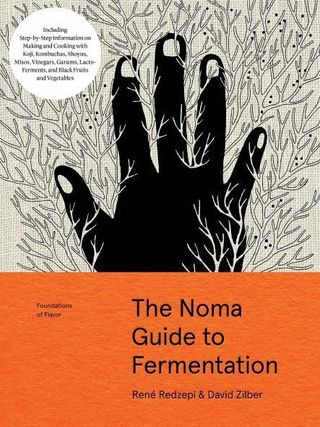
Foundations of Flavor: The Noma Guide to Fermentation
SynopsisPlot
At Noma—four times named the world’s best restaurant—every dish includes some form of fermentation, whether it’s a bright hit of vinegar, a deeply savory miso, an electrifying drop of garum, or the sweet intensity of black garlic. Fermentation is one of the foundations behind Noma’s extraordinary flavor profiles. Now René Redzepi, chef and co-owner of Noma, and David Zilber, the chef who runs the restaurant’s acclaimed fermentation lab, share never-before-revealed techniques for creating Noma’s extensive pantry of ferments. And they do so with a book conceived specifically to share their knowledge and techniques with home cooks. With more than 500 step-by-step photographs and illustrations, and with every recipe approachably written and meticulously tested, The Noma Guide to Fermentation takes readers far beyond the typical kimchi and sauerkraut to include koji, kombuchas, shoyus, misos, lacto-ferments, vinegar, garums, and black fruits and vegetables. And—perhaps even more important—it shows how to use these game-changing pantry ingredients in more than 100 original recipes.
Story
About this book
Noma, the Copenhagen restaurant recognized multiple times as the best in the world, built much of its cooking identity around fermentation. René Redzepi, the restaurant's chef and co-owner, and David Zilber, who led its fermentation lab, wrote this book to make their methods accessible outside a professional kitchen. The focus goes well beyond familiar fermented foods like kimchi and sauerkraut, covering koji, kombucha, shoyu, miso, garum, vinegar, lacto-ferments, and black fruits and vegetables.
Garum, for example, is an ancient protein-based sauce with roots in Roman cooking, here adapted using modern techniques. Koji is a grain or legume inoculated with the mold Aspergillus oryzae, central to Japanese brewing and sauce-making for centuries. The book explains each category of ferment with step-by-step photographs and illustrations, numbering over 500 in total. Recipes are written for home cooks and have been tested for that setting.
Beyond the ferments themselves, the book includes over 100 original dishes that show how to apply these ingredients in everyday cooking. The structure moves from building a pantry of fermented bases to putting them to use in finished plates.