The Korean Vegan Cookbook
SynopsisPlot
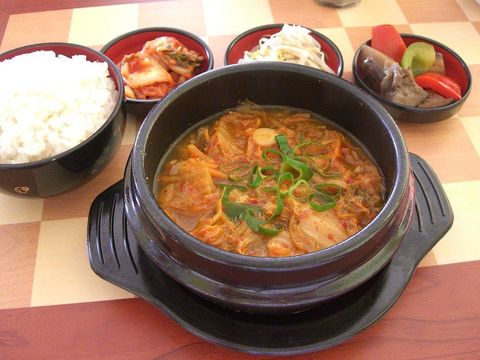
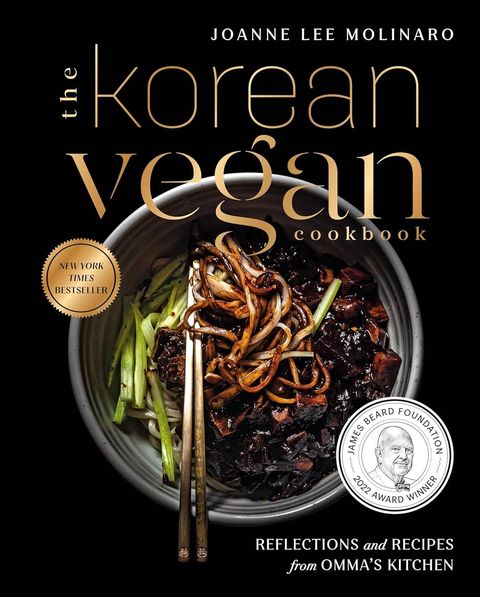
As Joanne reveals, she’s often asked, “How can you be vegan and Korean?” Korean cooking is, after all, synonymous with fish sauce and barbecue. And although grilled meat is indeed prevalent in some Korean food, the ingredients that filled out bapsangs on Joanne’s table growing up—doenjang (fermented soybean paste), gochujang (chili sauce), dashima (seaweed), and more—are fully plant-based, unbelievably flavorful, and totally Korean. Some of the recipes come straight from her childhood: Jjajangmyun, the rich Korean-Chinese black bean noodles she ate on birthdays, or the humble Gamja Guk, a potato-and-leek soup her father makes. Some pay homage: Chocolate Sweet Potato Cake is an ode to the two foods that saved her mother’s life after she fled North Korea.
Story
About this book
Joanne Lee Molinaro, who writes as The Korean Vegan, begins with a question she hears often: how can someone be both Korean and vegan? Korean food is widely associated with barbecue and fish sauce, yet many of its foundations contain no animal products at all. The book is built around that overlooked fact rather than around substitutes.
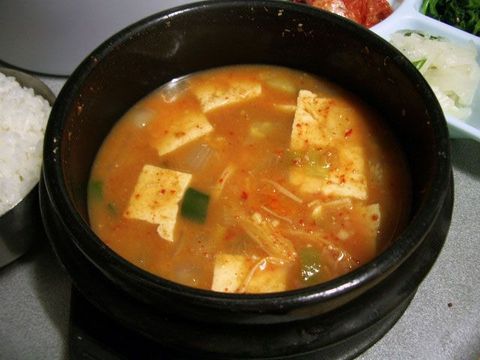
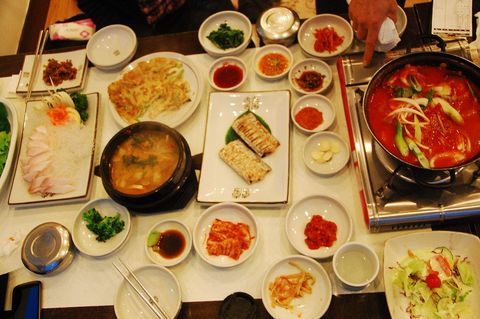
The ingredients that filled the bapsang, the spread of dishes served together at a Korean meal, include doenjang, a fermented soybean paste, gochujang, a fermented chili paste, and dashima, a dried kelp used for stock. These are staples of the everyday table, and Molinaro treats them as the starting point for her cooking rather than as adjustments.
Many recipes carry family history. Jjajangmyun, the Korean-Chinese noodle dish in black bean sauce, was her birthday meal as a child, and gamja guk, a plain soup of potato and leek, is her father's. A chocolate sweet potato cake refers to the two foods that kept her mother alive after she left North Korea. The essays alongside them describe immigration, family, and how a diet can be reconsidered without leaving a cuisine.