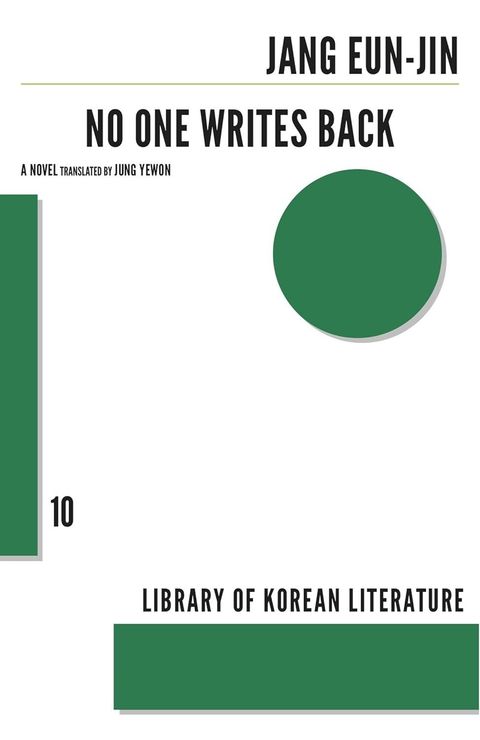
No One Writes Back
SynopsisPlot
No One Writes Back is the story of a young man who leaves home with only his blind dog, an MP3 player, and a book, traveling aimlessly for three years, from motel to motel, meeting people on the road. Rather than learn the names of his fellow travelers or invent nicknames for them he assigns them numbers. There's 239, for example, who once dreamed of being a poet, but who now only reads her poems to a friend in a coma; there's 109, who rides trains endlessly because of a broken heart; and 32, who's already decided to commit suicide. The narrator writes letters to these men and women in the hope that he can console them in their various miseries, as well as keep a record of his own experiences: A letter is like a journal entry for me, except that it gets sent to other people. No one writes back, of course, but that doesn't mean that there isn't some hope that one of them will, someday . . .
Story
About this book
A young man sets out from home carrying almost nothing: a blind dog, an MP3 player, and a single book. For three years he drifts between motels with no fixed destination, encountering strangers along the way. Instead of learning their names, he gives each person a number. Among them are 239, a former aspiring poet who now reads her work only to a friend lying in a coma, and 109, who rides trains without end after a painful heartbreak. Number 32 has already resolved to take her own life.
After each encounter the narrator sits down and writes a letter to the person he has just met, hoping to offer some small comfort. The letters also serve as his private record, a kind of journal addressed outward rather than kept to himself. None of the recipients ever reply. The title states this fact plainly, yet the narrator continues writing, carrying a quiet expectation that someone, eventually, might.
Jang Eun-Jin's novel, originally published in South Korea, follows the tension between solitude chosen and solitude endured. The numbered strangers each carry a specific, concrete form of grief, and the narrator's compulsion to document them raises its own questions about whether writing to someone is an act of connection or simply another way of staying alone.