My Cambodia: A Khmer Cookbook
SynopsisPlot
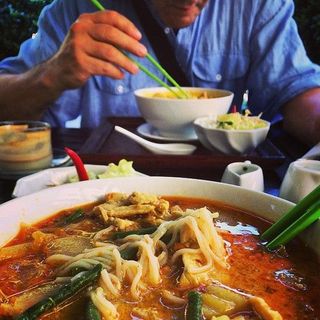
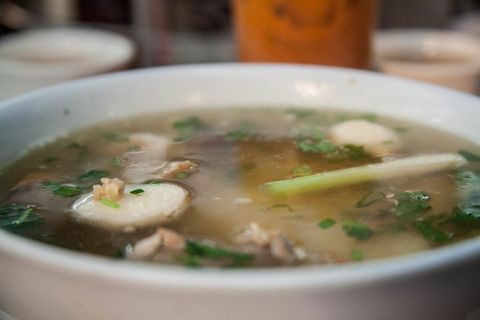
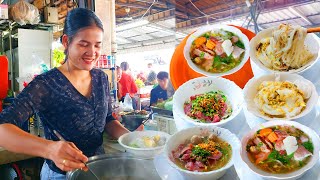
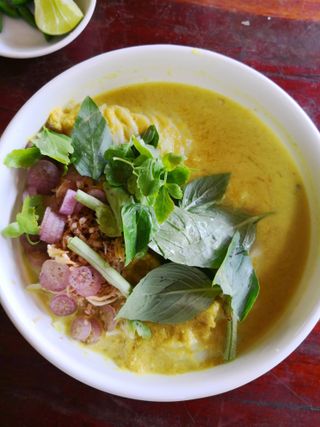
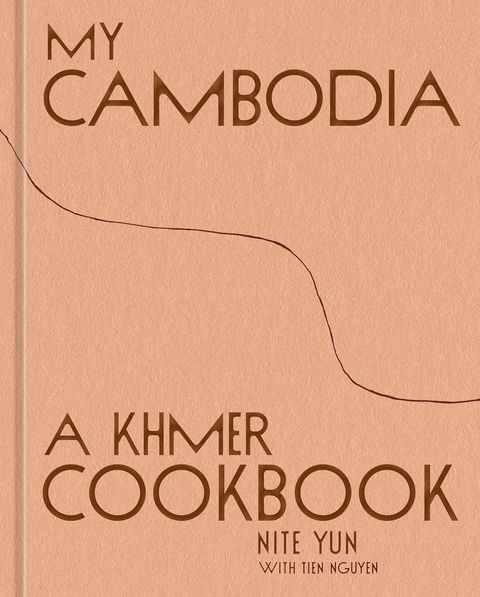
Filled with the historical context of Cambodia’s Golden Era, cultural fun facts like the rules of rice, and introspective anecdotes on using food as a tool to connect with community, My Cambodia aims to make Khmer American cuisine accessible to all. With recipes organized by different times and places throughout Nite's life, this cookbook takes you on a journey from her childhood in Stockton, California to Cambodia to Nite's popular Bay Area restaurants Nyum Bai and Lunette. Discover her take on dishes such as Kuy Teav Phnom Penh, the fragrant pork and noodle soup that started it all for Nite; Nom Pachok Somlar Khmer, a delicate, rustic chowder filled with rice noodles; and Amok, fish tucked into an aromatic mixture of kroeung and coconut milk and steamed until it puffs up like a souffle. For dessert, try the decadent Nom Kong, donuts glazed in palm sugar and topped with sesame seeds.
Story
About this book
My Cambodia is a cookbook by Nite Yun featuring over 100 recipes rooted in Khmer and Cambodian American cooking. Yun is a chef and restaurateur known for her Bay Area restaurants Nyum Bai and Lunette. The book organizes its recipes around different periods and locations in her life, beginning with her childhood in Stockton, California, moving through Cambodia, and arriving at the kitchens she built as an adult. Dishes include Kuy Teav Phnom Penh, a pork and noodle soup that Yun identifies as a formative recipe in her cooking life, and Amok, a preparation of fish steamed in a mixture of kroeung (a Khmer spice paste) and coconut milk.
Beyond recipes, the book provides historical context drawn from what it calls Cambodia's Golden Era, along with cultural details such as the etiquette and customs surrounding rice in Khmer life. Yun includes personal anecdotes about food as a way of maintaining ties to community and heritage. Desserts appear too, among them Nom Kong, palm sugar-glazed donuts finished with sesame seeds. The cookbook positions Khmer American cuisine as a distinct tradition shaped by migration, memory, and the everyday practices of a specific diaspora.