The Death of Ivan Ilyich
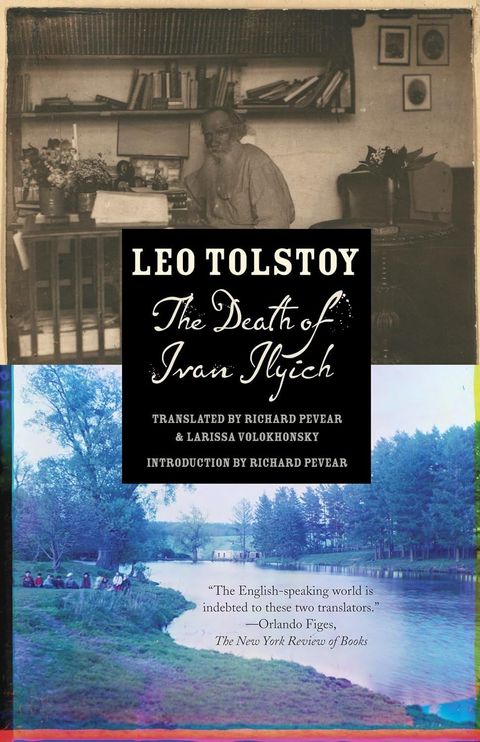
SynopsisPlot
Ivan Ilyich is a middle-aged man who has spent his life focused on his career as a bureaucrat and emotionally detached from his wife and children. After an accident he finds himself on the brink of an untimely death, which he sees as a terrible injustice. Face to face with his mortality, Ivan begins to question everything he has believed about the meaning of life. The Death of Ivan Ilyich is a masterpiece of psychological realism and philosophical profundity that has inspired generations of readers.
Story
About this book
Ivan Ilyich is a high court judge in nineteenth-century Russia who has built a life around professional advancement and social standing. His marriage is cold, his home life hollow, but he regards these as ordinary compromises. The novella opens after his death, with colleagues reacting to the news largely in terms of what it means for their own careers and promotions. Tolstoy then steps back to trace Ivan's life from its unremarkable beginnings.
A fall during a routine household task leaves Ivan with a worsening internal injury. As his condition deteriorates, the distance between his public composure and his private terror grows sharper. Doctors offer contradictory opinions. His wife and daughter treat his illness as an inconvenience. The only person who provides genuine comfort is Gerasim, a young peasant servant who tends to him without pretense or discomfort around dying.
Tolstoy wrote this novella in the mid-1880s, during a period when his interests had shifted strongly toward moral and spiritual questions. The story examines how a person might confront mortality after decades spent avoiding any serious reflection on how life has been lived. It is one of his most frequently read shorter works.