Tales of Love, Madness and Death
SynopsisPlot
The work deals mainly with death, although it touches on other topics such as the humanization of animals, being who together with an entirely rational thought direct the respective stories. But although animals carry reason, it ends with the brute strength of man. Another issue addressed is the dehumanization of man who gives his will to the most primitive instincts. Following his impulses arise the problems and the plot of several stories. It is amazing that the feathered hummingbird describes as the cause of death and one of the main causes of diseases in the world today, mites and fleas on pillows and mattresses are not only the main cause of allergies, but also can infect what a person has and inoculate it systematically, so it is necessary to disinfect or fumigate mattresses and pillows at least once a year no matter where we live in the world, but that was not known when the author wrote this work.
Story
About this book
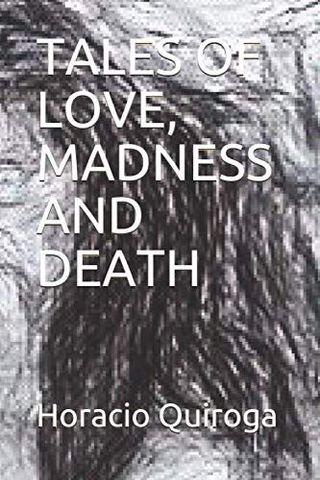
Horacio Quiroga was born in Salto, Uruguay, in 1878 and spent much of his adult life in Misiones, a province in northeastern Argentina near the subtropical forest along the Paraná River. That setting runs through this 1917 story collection, where the natural world acts as a force rather than a backdrop. The title names its three concerns directly, and the stories place people in close contact with animals, illness, heat, and isolation.
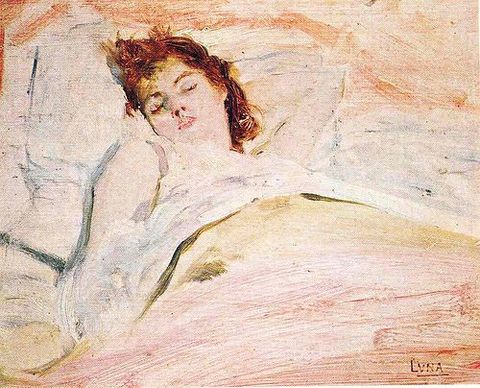
Several stories grant animals a striking degree of reason, while human characters drift toward instinct and compulsion. One widely read tale turns a feather pillow into a source of horror through a parasite. Others follow settlers, workers, and families whose ordinary tasks near the forest carry real danger. Quiroga's prose stays measured even when events turn violent, and his attention rests on the moment control slips away.
Quiroga is often compared with Edgar Allan Poe for his handling of dread inside short, tightly built narratives. He wrote in Spanish, and the collection has since appeared in other languages. Read today, some of its medical and natural details reflect what was understood about parasites and infection in the early twentieth century.