The Day Lasts More than a Hundred Years
SynopsisPlot
The Day Lasts More than a Hundred Years by Chingiz Aitmatov is a philosophical and poetic novel set in the vast Kazakh steppe, where a railway worker named Yedigei embarks on a journey to bury his friend according to traditional customs. As the story unfolds, it weaves together myth, memory, Soviet reality, and even science fiction. The novel explores themes of identity, loyalty, tradition, and the passage of time. Through Yedigei’s reflections, readers gain insight into the tension between progress and the human soul.
Story
About this book
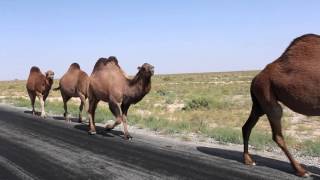
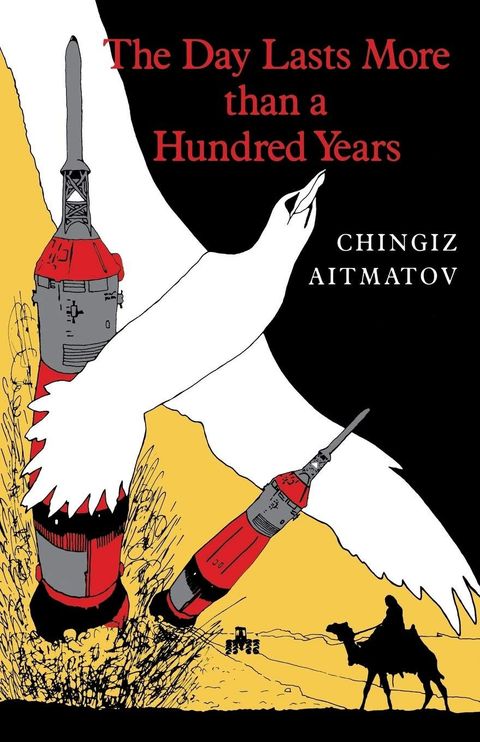
The Day Lasts More than a Hundred Years follows Yedigei, a railway worker at a remote junction on the Kazakh steppe, as he sets out to bury his close friend in an ancient cemetery according to traditional custom. The slow trip across open land frames a larger structure, moving between Yedigei's memories, old legends, and a parallel science-fiction thread about a joint Soviet-American space program and contact with another civilization.
Among the legends woven into the narrative is the story of the mankurts, prisoners whose captors destroy their memory so completely that they forget their own families and origins. That myth runs through the book as a way of asking what happens when people lose their history. Yedigei's life at the railway halt, shaped by decades of Soviet policy, sits between older ways and a modernizing state.
Aitmatov, born in Kyrgyzstan and writing in both Kyrgyz and Russian, published the novel in 1980. It works across several scales at once: one funeral procession, a lifetime of friendship, centuries of oral tradition, and events unfolding far beyond Earth. Loyalty, memory, and the pressure of official authority on private conscience run through each layer.