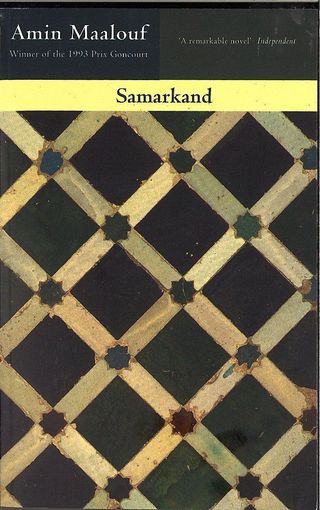
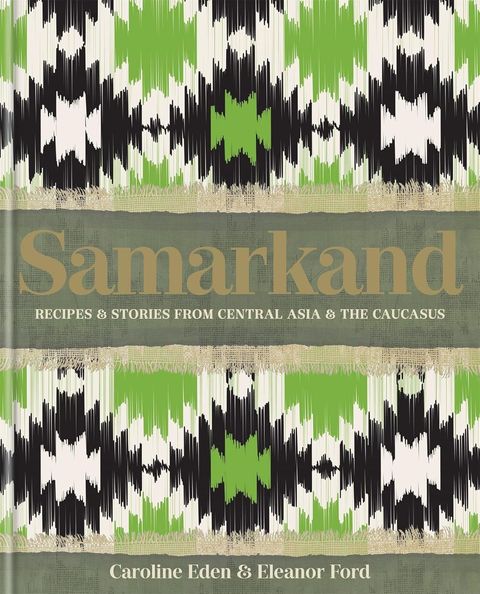
Samarkand: Recipes and Stories From Central Asia and the Caucasus
SynopsisPlot
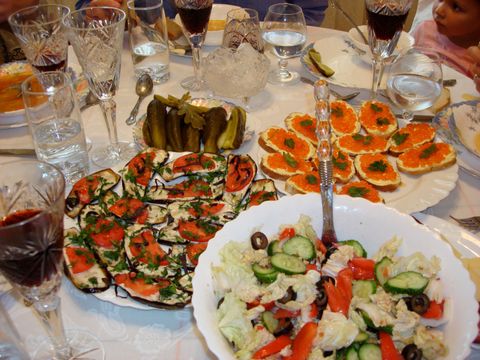
This book is a love letter to Central Asia and the Caucasus, containing personal travel essays and recipes little known in the West that have been expertly adapted for the home cook. An array of delicious dishes introduce the region and its different ethnic groups – Uzbek, Tajik, Russian, Turkish, Korean, Caucasian and Jewish – along with a detailed introduction on the Silk Road and a useful cupboard of essential ingredients. Chapters are divided into Shared Table, Soups, Roast Meats & Kebabs, Warming Dishes, Pilavs & Plovs, Accompaniments, Breads & Doughs, Drinks and Desserts. 100 recipes are showcased
Story
About this book
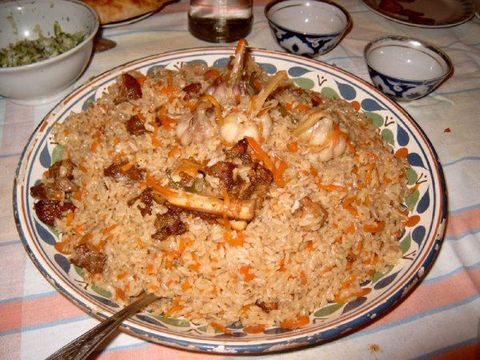
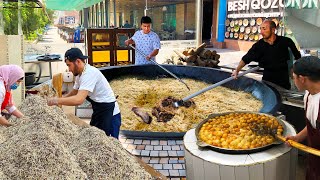
Samarkand collects around 100 recipes from Central Asia and the Caucasus, paired with personal travel essays by Caroline Eden and Eleanor Ford. The book takes its name from the ancient Uzbek city that sat at a crossroads of the Silk Road, where traders, migrants, and settlers from many directions left their mark on the local food. Recipes span chapters on soups, roast meats and kebabs, pilavs and plovs, breads and doughs, warming dishes, accompaniments, drinks, and desserts, all adapted for preparation in a home kitchen.
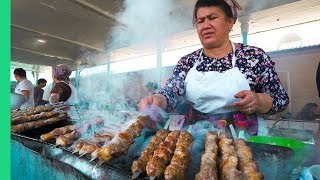
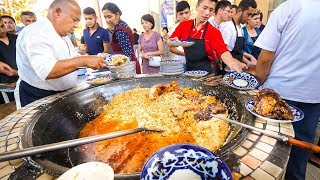
The cookbook reflects the cooking traditions of several ethnic communities in the region, including Uzbek, Tajik, Russian, Turkish, Korean (Koryo-Saram), Jewish, Afghan, and Caucasian groups. Dishes range from lamb kebabs seasoned with cinnamon and cloves to pumpkin stuffed with spiced chickpeas, sour cherries, and rice, alongside regional breads such as non, flatbreads, and pides. A pomegranate and vodka sorbet appears among the desserts.
An introductory section covers the history and geography of the Silk Road corridor and provides a guide to essential pantry ingredients used across the recipes. The travel essays offer firsthand observations from the authors' time in the region, grounding the food in the specific places and cultures where it developed.