Amanat: Women’s Writing from Kazakhstan
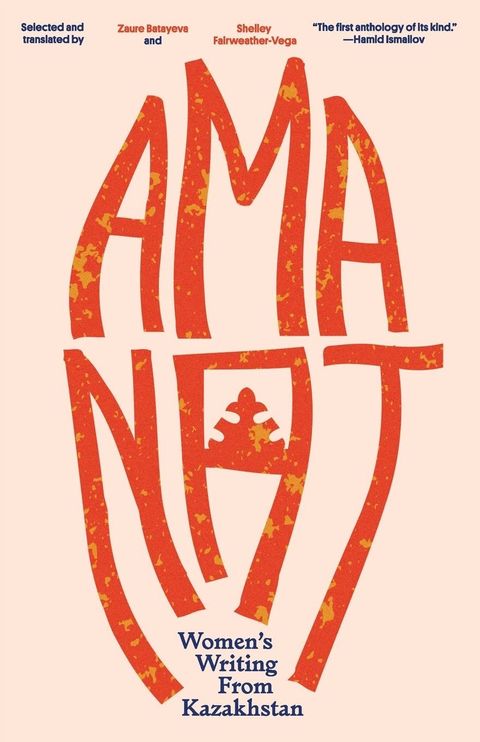
SynopsisPlot
The twenty-four stories in Amanat, translated into English from Kazakh and Russian,comprise a groundbreaking survey of women’s writing in the Central Asian country over its thirty years of independence, paying homage to the rich but largely unrecorded oral storytelling tradition of the region. Contemplating nostalgia, politics, and intergenerational history in a time altered by modernity, Amanat acutely traces the uncertainties, struggles, joys, and losses of a corner of the post-Soviet world often unseen and overlooked.
Story
About this book
Amanat brings together twenty-four stories by women writers from Kazakhstan, translated into English from both Kazakh and Russian. The collection spans roughly thirty years of the country's independence, a period that began with the dissolution of the Soviet Union in 1991. Editor and translator Zaure Batayeva has assembled voices that reflect a literary culture shaped in part by a long oral storytelling tradition, one that was rarely documented in written form.
The stories address nostalgia, generational memory, and the pressures of modernity on everyday life. Several touch on political and social change in a post-Soviet landscape that remains unfamiliar to many English-language readers. Kazakhstan is the largest landlocked country in the world, stretching from the Caspian Sea to the Altai Mountains, yet its contemporary fiction has had limited visibility outside Central Asia. This anthology offers a cross-section of that fiction through women's perspectives, covering themes of loss, family, and adaptation.
The title word, amanat, carries cultural weight in Kazakh tradition. It refers to something entrusted to another person for safekeeping, suggesting both responsibility and care. That idea of trust and transmission runs through the collection as a quiet organizing thread.