Mukhtar Auezov
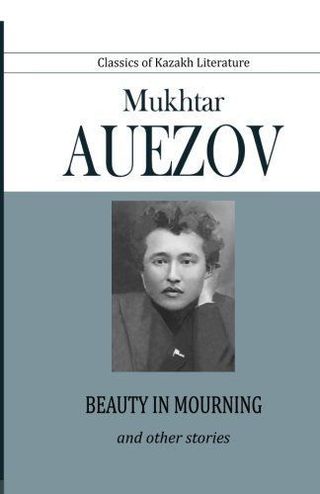
SynopsisPlot
This collection of short stories and novellas is the first of Auezov's works ever to be translated into English. They were written in the nineteen twenties in the author's youth but have an assurance and maturity that have earned them widespread popularity throughout Kazakhstan and the Soviet Union. Gunshot at the Pass was made into a successful film and An Orphan's Lot, Beauty in Mourning, Savage Grey and Turbulent Times are works, which nearly every Kazakh knows and loves. His works are revered for their seminal influence on Kazakh literature and drama, the fascinating insights they provide on the culture and customs of the steppe but, above all, as truly great, universal stories that have exercised their power over the imaginations of generations of Kazakhs and are now finally available to a worldwide audience.
Story
About this book
Mukhtar Auezov, born in 1897 and active until his death in 1961, is widely regarded as one of Kazakhstan's most important literary figures. This collection gathers short stories and novellas written during the 1920s, early in his career. Despite being works of his youth, they display a confident command of narrative and subject. The collection is notable as the first translation of Auezov's fiction into English, opening a body of work that had until then remained largely within Kazakh and Russian readership.
The stories draw on the life, customs, and landscape of the Kazakh steppe. Titles such as Gunshot at the Pass, An Orphan's Lot, Beauty in Mourning, Savage Grey, and Turbulent Times are described in the source record as deeply familiar to Kazakh readers. Gunshot at the Pass was adapted into a film. The settings tend toward rural and nomadic communities, and the stories explore questions of loss, conflict, and social change during a period of upheaval in Central Asia.
Auezov is recognized for his lasting effect on Kazakh literature and drama. His writing from this period captures a society shaped by both traditional steppe culture and the political pressures of the early Soviet era, giving the stories a specific historical grounding alongside their personal and dramatic dimensions.