Bygone Days: O'tkan Kunlar
SynopsisPlot
Otabek, the son of Yusufbek Hajji, is a 19th-century Muslim reformer and trader (and soon-to-be husband of two wives), who takes us through Turkistan twenty years before the Russian conquest. From the teeming caravanserais, mosques, and chai khanas of Tashkent and Margilan to the inner sanctum of the Qoqan Khanate, our hero bears witness to a world heading into a future of memory and loss, offering reform and resistance as the only hope to save the soul of a people. Not just Otabek, but his friends and enemies alike face a cultural and political landscape of family obligations, ethnic conflict, and a khanate lost to corruption and intrigue.
Story
About this book
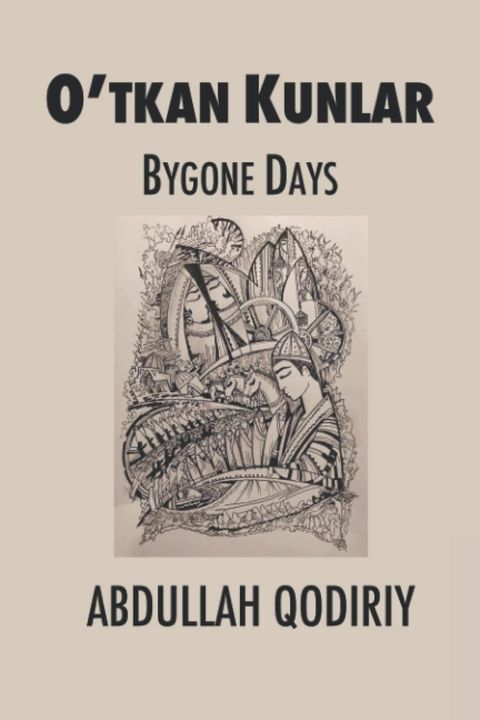
Bygone Days, originally published in 1926 under the Uzbek title O'tkan Kunlar, is a historical novel by Abdullah Qodiriy set in nineteenth-century Turkistan roughly twenty years before the Russian conquest of the region. The story follows Otabek, the son of a hajji named Yusufbek, who works as a trader and advocates for reform in a society he sees drifting toward collapse. His life moves between the caravanserais, mosques, and tea houses of Tashkent and Margilan and the inner circles of the Qoqan Khanate, a Central Asian state weakened by corruption and internal rivalries.
Otabek's personal life is shaped by family obligations, including an arranged path toward marriage to two wives, while the broader political landscape around him is marked by ethnic tensions and a ruling class unable or unwilling to change course. Friends and rivals alike navigate a world where loyalty, tradition, and ambition pull in competing directions.
Qodiriy wrote the novel for an Uzbek readership that was itself living through rapid political transformation. The book is widely regarded as one of the first modern novels in the Uzbek language, and its portrait of a khanate in decline gave readers a way to reflect on questions of cultural survival and self-determination.