Silent Steppe
SynopsisPlot
Nominally Muslim, the Kazakhs and their culture owed as much to shamanism and paganism as they did to Islam. Their ancient traditions and economy depended on the breeding and herding of stock across the vast steppes of central Asia, and their independent, nomadic way of life was anathema to the Soviets. Seven-year-old Shayakhmetov and his mother and sisters were left to fend for themselves after his father was branded a "kulak" (well-off peasant and thus class enemy), stripped of his possessions, and sent to a prison camp where he died. In the following years the family traveled thousands of miles across Kazakhstan by foot, surviving on the charity of relatives. Told with dignity and detachment, this central Asian Wild Swans awakens the reader to the scale of suffering of millions of Kazakhs, and also astonishes and inspires as a most singular survivor's tale.
Story
About this book
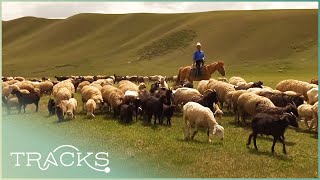
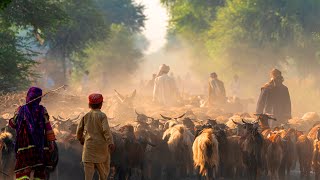
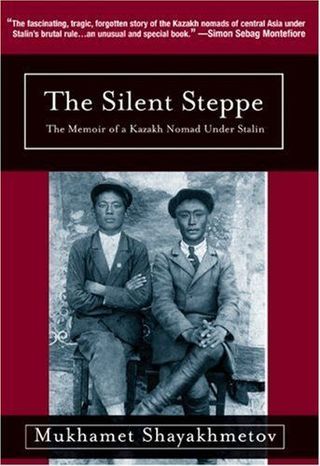
Silent Steppe is a memoir by Mukhamet Shayakhmetov, recounting his childhood and family's survival during the Soviet campaign against Kazakh nomads in the 1920s and 1930s. The Kazakh people had long depended on breeding and herding livestock across the vast grasslands of Central Asia. Their nomadic economy and social structures, shaped by a mix of Islam, shamanism, and older traditions, put them in direct conflict with Soviet collectivization policies that sought to settle and control rural populations.
Shayakhmetov was seven years old when his father was classified as a kulak, a term the Soviet state used for peasants deemed too prosperous and therefore enemies of the new order. His father's possessions were seized, and he was sent to a prison camp, where he died. Left without support, the young Shayakhmetov, his mother, and his sisters traveled thousands of miles on foot across Kazakhstan, relying on the help of relatives to stay alive.
The book records the daily texture of displacement and hunger across a landscape that had sustained nomadic life for centuries. Shayakhmetov writes with a measured tone, setting down events without dramatizing them, and placing one family's experience within the broader destruction of Kazakh pastoral society under Soviet rule.