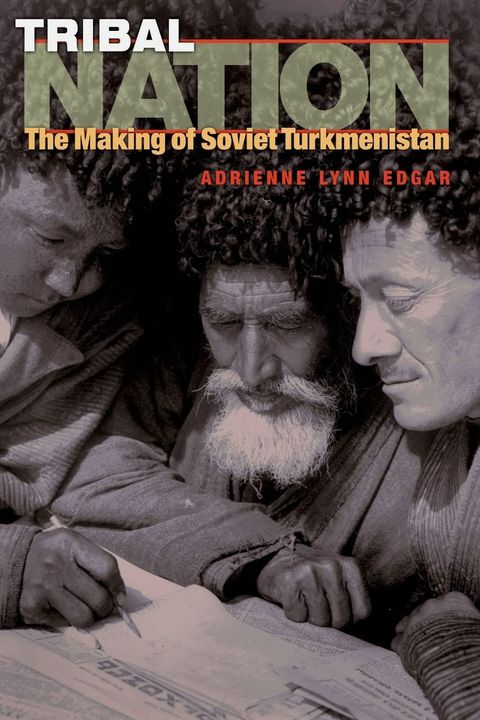
Tribal Nation: The Making of Soviet Turkmenistan
SynopsisPlot
On October 27, 1991, the Turkmen Soviet Socialist Republic declared its independence from the Soviet Union. Hammer and sickle gave way to a flag, a national anthem, and new holidays. Seven decades earlier, Turkmenistan had been a stateless conglomeration of tribes. What brought about this remarkable transformation?
Story
About this book
On October 27, 1991, the Turkmen Soviet Socialist Republic declared independence from the Soviet Union. Seven decades earlier, the territory that became Turkmenistan had no centralized state. Its population was organized along tribal lines, with loyalties running through kinship networks rather than national institutions. Adrienne Lynn Edgar traces how Soviet authorities set out to build a modern nation from this fragmented landscape, imposing borders, a literary language, and political structures where none had existed in their intended form.
Edgar draws on both Soviet archives and Turkmen-language sources, a combination rarely attempted in Western scholarship on Central Asia. Her account examines how Moscow's nationality policies interacted with local social patterns, including tribal identity, Islamic practice, and the status of women. Rather than treating Turkmen people as passive recipients of Soviet planning, the book follows the ways local leaders, intellectuals, and communities responded to, shaped, and sometimes resisted the project of nation-building.
The result is a study that addresses large questions about nationalism and colonialism through the specific case of one Central Asian republic. It remains one of the few works to approach the Soviet multinational state primarily from a non-Russian viewpoint.