The Tale of Aypi
SynopsisPlot
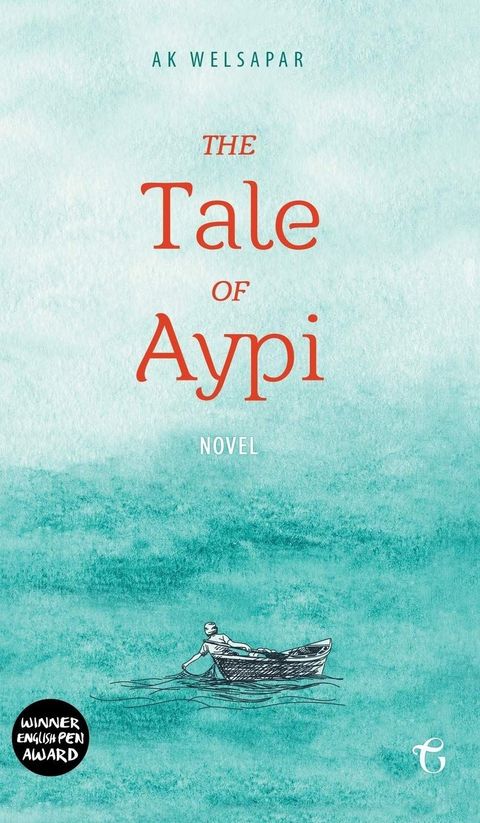
The Tale of Aypi follows the fate of a group of Turkmen fishermen dwelling on the coast of the Caspian Sea. The fear of losing their ancestral home looms over the entire village. This injustice is being made to look like a voluntary initiative on the part of the fishermen themselves, whilst the ruling powers cynically attempt to confiscate their land. One brave fisherman from the village rises up to confront them and fights for his native shore, as a response to an act of cruelty inflicted on a defenseless young woman centuries ago. This unjustly executed soul returns as a ghost during this troubled time to exact terrible revenge on the men of the village. The relationships among the characters mirror the eternal opposition between the forces of nature, with the intervention of mystical forces ratcheting up the tension
Story
About this book
A Turkmen fishing village on the Caspian coast faces the threat of losing its land. The authorities want to seize the territory but dress up the confiscation as a voluntary decision by the villagers themselves. Against this political pressure, one fisherman decides to resist and defend the community's claim to its ancestral shore. His stand is linked to an older story of injustice: centuries earlier, a young woman was put to death there unjustly, and that act remains unresolved.
The novel intertwines political realism with supernatural elements. The spirit of the executed woman reappears during the village's crisis, bringing a force of retribution that falls on the men of the community. Ak Welsapar, a Turkmen author, uses this ghost narrative to connect past violence with present-day dispossession, setting both against the landscape of the Caspian Sea. The relationships among the characters reflect broader tensions between human authority and natural or mystical forces.
The story operates on two timescales at once. One is immediate and concrete: bureaucratic land seizure disguised as local consent. The other reaches back centuries, carrying forward an unpunished act of cruelty. By placing these alongside each other, the novel frames questions about collective memory, resistance, and the costs passed from one generation to the next.