The Weaverbirds
SynopsisPlot
The story spans from the formative days of Indonesia’s independence to Indonesia’s oil crisis in the mid 1970s. Larasati, the precious daughter of Mr. and Mrs. Antana, and Setadewa, the army-brat son of Capt. And Mrs. Brajabasuki, are childhood friends. But when they are older, they find themselves on the opposite sides of the country’s political spectrum. Even with their many differences, their relationship offers guidance to survival in a chaotic world.
Story
About this book
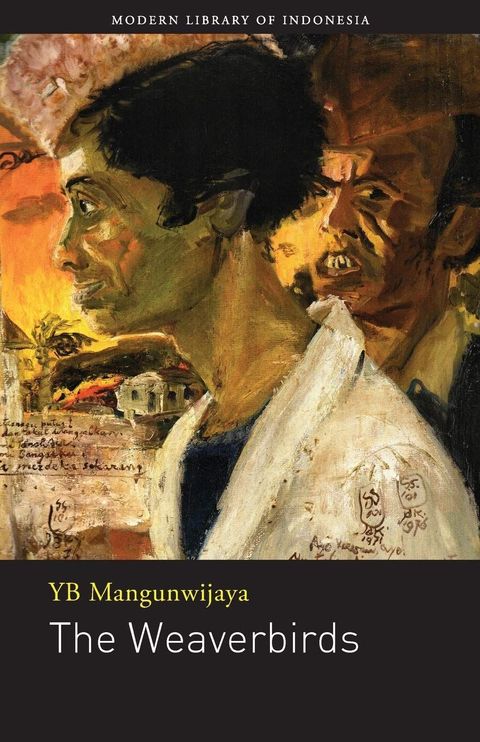
The Weaverbirds follows two characters whose lives run parallel to the turbulent decades of modern Indonesian history. Larasati, daughter of the Antana family, and Setadewa, son of a military captain named Brajabasuki, grow up as childhood friends. As they mature, however, the political upheavals shaping their country pull them toward opposing positions. The novel traces their story from the early period of Indonesian independence through to the oil crisis of the mid-1970s, a stretch of time marked by rapid social change, ideological conflict, and economic pressure.
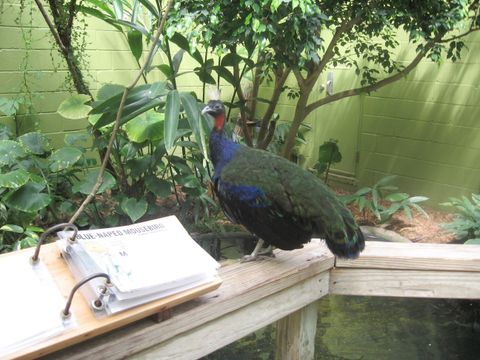
Y.B. Mangunwijaya, a Catholic priest, architect, and writer based in Yogyakarta, published the novel in Indonesian under the title Burung-Burung Manyar. The book's title refers to the weaverbird, a species known across Southeast Asia for constructing elaborate hanging nests. In the story, the image of these birds carries weight as Larasati and Setadewa attempt to build their own paths through a society where personal bonds and political loyalties do not always align.
The central tension sits between private attachment and public division. Mangunwijaya sets the two characters on different sides of Indonesia's political landscape, then watches what happens to a friendship shaped by forces larger than either person can control.