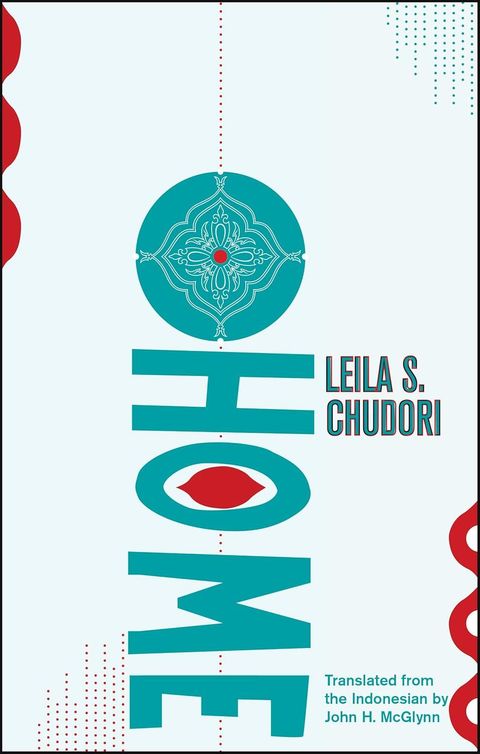
Home
SynopsisPlot
Home examines the tragedy of political exiles during Suharto's regime (1965-1998) forced out of Indonesia after the 1965 massacre of presumed leftists and sympathizers, alternating between Paris and Jakarta, delving into the lives of the exiles, their families and friends. A story of longing, lust, and betrayal, but also love, laughter, adventure, and mouthwatering descriptions of Indonesian food, Home further illuminates Indonesia's tragic twentieth-century history made known in the West by the Oscar-nominated documentary The Act of Killing.
Story
About this book
Home follows a group of Indonesian political exiles living in Paris after the 1965 mass killings of suspected leftists and their sympathizers. Under the Suharto regime, which held power from 1965 to 1998, thousands of Indonesians abroad found themselves unable to return. The novel traces how these displaced lives take shape over decades in a foreign city, tracking friendships, romantic relationships, and the slow accumulation of distance from a homeland that remains both vivid and unreachable.
The narrative moves between Paris and Jakarta, connecting the older generation of exiles with younger characters who grew up shaped by choices they did not make. Indonesian food runs through the story as a recurring thread, grounding memory and identity in specific flavors and dishes. Alongside personal stories of longing and betrayal, the novel maps a period of Indonesian history that remained largely unspoken inside the country for decades.
Leila S. Chudori is one of Indonesia's best-known journalists. Home is her first novel and received the Khatulistiwa Literary Award in 2013, considered one of Indonesia's most significant literary prizes. The book was originally written in Indonesian before being translated into English.