Fleeting City
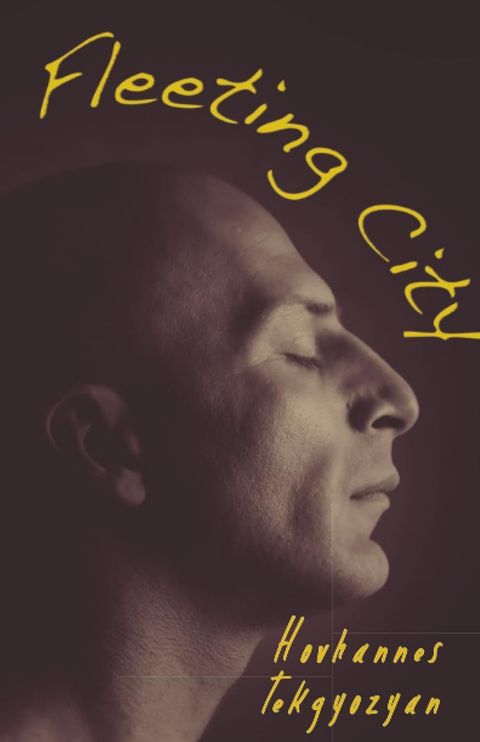
SynopsisPlot
This novel touches on themes previously taboo in Armenian but which characterize much of the new Armenia, including virtual reality, sexuality, suicide, and drugs. His style resonates with an almost cartoon-animated quality. Equal parts humorous, absurd, serious, and surreal, Tekgyozyan is able to draw an animated film on paper, where objects come to life and human beings take on unsuspecting forms. In this novel, one of the characters has hair that seems to have branched out like a tree and comes alive. The two main characters in Fleeting City, Gagik and Grigor, tell the same story but from two different perspectives, adding and subtracting. The result is a narrative as complex as Tekogyozyvan's reality.
Story
About this book
Fleeting City is a novel by Armenian writer Hovhannes Tekgyozyan that follows two characters, Gagik and Grigor, as they recount the same story from separate perspectives. Each narrator adds and removes details, so the reader receives two overlapping but different versions of events. The structure creates a layered narrative where contradictions and gaps become part of the meaning rather than mistakes to resolve.
The novel addresses subjects that were once considered off-limits in Armenian literature, including virtual reality, sexuality, suicide, and drugs. Tekgyozyan's writing style has an animated, almost cartoon-like quality. Objects behave as if they are alive, and people shift into unexpected forms. In one scene, a character's hair branches outward like a tree and begins to move on its own. The tone shifts between humor, absurdity, and gravity, sometimes within the same passage.
The book has been described as a kind of virtual movie-novella, mixing mysticism with urban settings and grotesque transitions. It reflects aspects of contemporary Armenia, where rapid social change has opened space for literary subjects and styles that earlier generations of Armenian writers rarely explored.