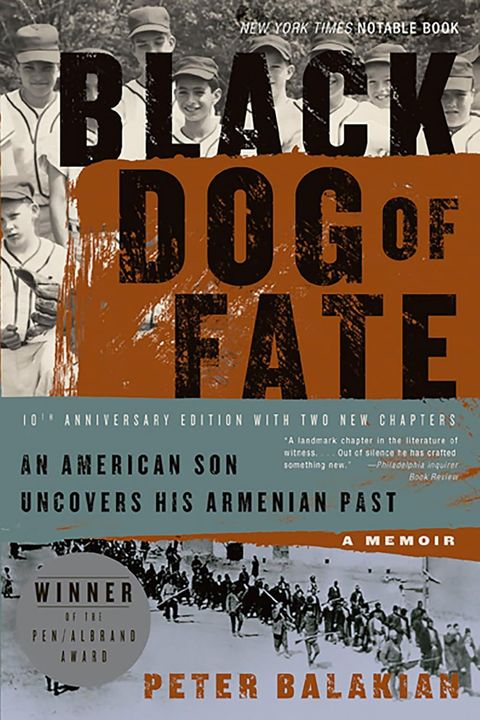
Black Dog of Fate: A Memoir
SynopsisPlot
In elegant prose, the prize-winning poet who James Dickey called "an extraordinary talent" has written a compelling memoir about growing up American in a family that was haunted by a past too fraught with terror to be spoken of openly. Black Dog of Fate is set in the affluent New Jersey suburbs where Balakian -- the firstborn son of his generation -- grew up in a close, extended family. At the center of what was a quintessential American baby boom childhood lay the dark specter of a trauma his forebears had experienced -- the Ottoman Turkish government's extermination of more than a million Armenians in 1915, the century's first genocide.
Story
About this book
Peter Balakian grew up in suburban New Jersey during the 1950s and 1960s as the firstborn son of his generation in a close Armenian-American family. His childhood looked, on the surface, like a standard baby boom upbringing, filled with pop culture, sports, and middle-class comfort. But beneath that surface lay a history the family rarely discussed openly: the Ottoman Turkish government's systematic killing of more than a million Armenians in 1915, widely recognized as the first genocide of the twentieth century.
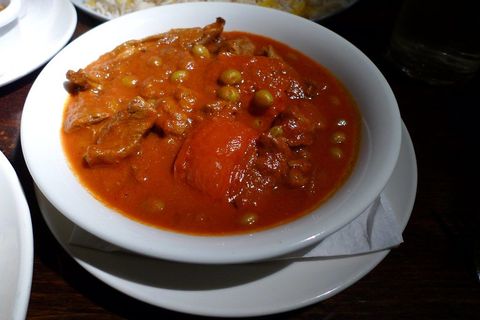
Black Dog of Fate follows Balakian's gradual discovery of that history and the ways it shaped the people around him. His grandmother, a survivor and widow of the genocide, is the book's central figure. She spoke in fragments of metaphor and myth while cooking Armenian dishes, following the stock market, and tracking the New York Yankees. Other relatives included matriarchs, merchants, physicians, a bishop, and two aunts known in literary circles. The memoir traces how an ancient Near Eastern family culture collided, sometimes comically, with American suburban life.
Balakian, a poet, moves between childhood memory, family biography, and historical record as he pieces together what his elders endured and what their silence meant. The book charts how personal identity can be shaped by events a generation chose not to name aloud.