The Gray House
SynopsisPlot
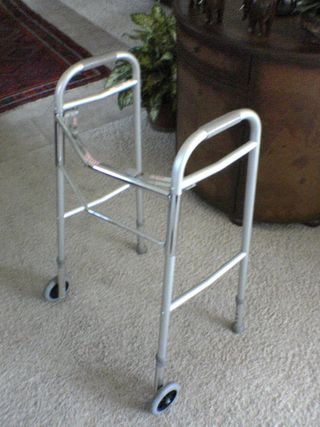
Bound to wheelchairs and dependent on prosthetic limbs, the physically disabled students living in the House are overlooked by the Outsides. Not that it matters to anyone living in the House, a hulking old structure that its residents know is alive. From the corridors and crawl spaces to the classrooms and dorms, the House is full of tribes, tinctures, scared teachers, and laws―all seen and understood through a prismatic array of teenagers’ eyes. But student deaths and mounting pressure from the Outsides put the time-defying order of the House in danger. As the tribe leaders struggle to maintain power, they defer to the awesome power of the House, attempting to make it through days and nights that pass in ways that clocks and watches cannot record.
Story
About this book
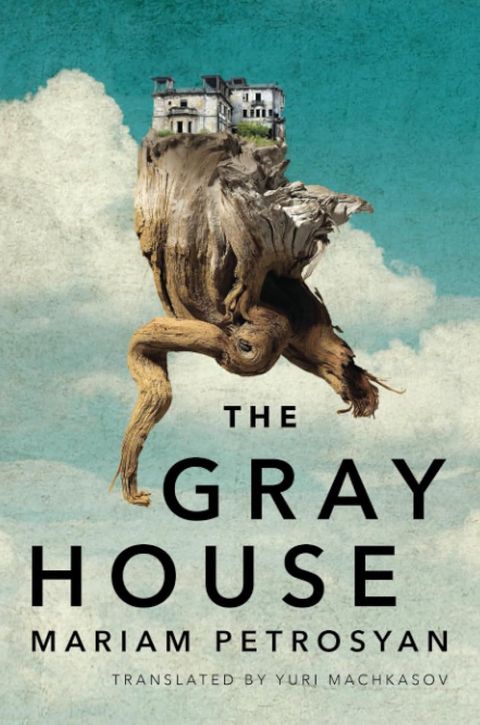
The Gray House by Mariam Petrosyan is set almost entirely inside a boarding institution for physically disabled teenagers. The residents use wheelchairs and prosthetic limbs, but these details recede quickly. What matters inside the House is tribal hierarchy, secret knowledge, and the building itself, which the students treat as a living presence with its own intentions. Corridors, crawl spaces, dormitories, and classrooms form a closed world with rules that have little in common with the reality outside its walls.
The story follows several groups of students, each with its own leader and internal culture. Teachers appear mostly at the edges, often frightened or bewildered by what happens among their charges. Time inside the House does not always behave as clocks suggest it should, and the boundary between the ordinary and the strange stays deliberately unclear. When student deaths occur and outside authorities increase pressure on the institution, the fragile order that has held the tribes together begins to shift.
Petrosyan, an Armenian author and artist, spent roughly two decades writing the novel. It was first published in Russian in 2009 and later translated into English. The book unfolds through multiple narrators whose overlapping accounts build a picture of the House that no single perspective could provide.