Armenian Golgotha: A Memoir of the Armenian Genocide
SynopsisPlot
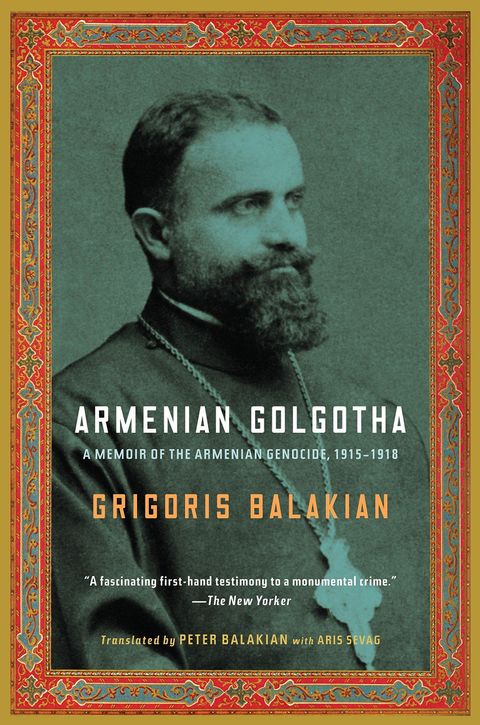
On April 24, 1915, Grigoris Balakian was arrested along with some 250 other leaders of Constantinople’s Armenian community. It was the beginning of the Ottoman Empire’s systematic attempt to eliminate the Armenian people from Turkey—a campaign that continued through World War I and the fall of the empire. Over the next four years, Balakian would bear witness to a seemingly endless caravan of blood, surviving to recount his miraculous escape and expose the atrocities that led to over a million deaths.
Story
About this book
On April 24, 1915, Ottoman authorities arrested Grigoris Balakian and roughly 250 other Armenian intellectuals, clergy, and community leaders in Constantinople. That date is now widely recognized as the start of the Armenian Genocide, a coordinated campaign by the Ottoman government to destroy the Armenian population within its borders. Balakian, an Armenian Apostolic clergyman, survived four years of deportation, forced marches, and mass killing that claimed over a million lives.
Armenian Golgotha is Balakian's firsthand account of what he witnessed during those years. He describes the mechanisms of persecution in detail: the arrests, the deportation caravans through Anatolia, the organized violence carried out against civilians, and his own eventual escape. The memoir functions both as personal testimony and as a documentary record, naming specific officials, locations, and events. Balakian wrote the original text in Armenian, and the English translation brought the account to a wider international readership decades later.
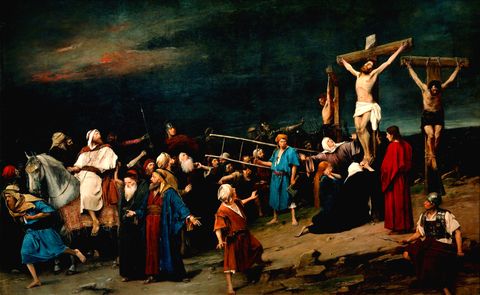
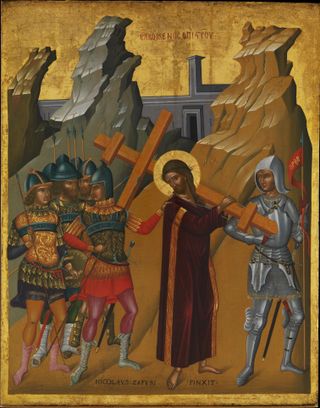
The title draws on the biblical name for the site of crucifixion, framing the collective suffering of Armenians in terms familiar to Christian tradition. Balakian's position as an educated clergyman gave him access to conversations and observations that shaped his unusually detailed record of the period.