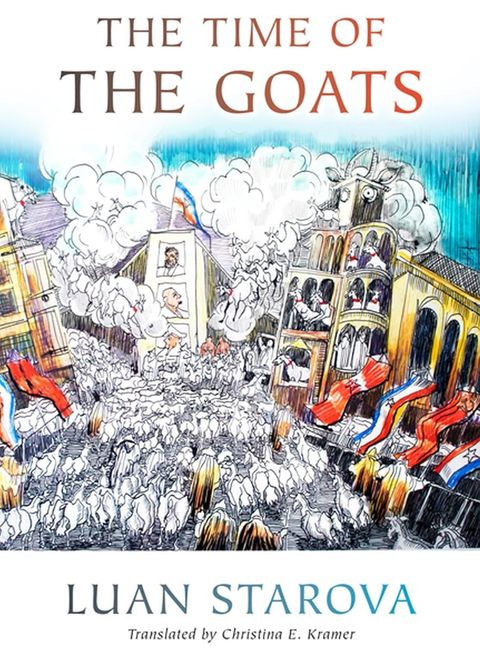
The Time of the Goats
SynopsisPlot
It's the late 1940s in Skopje, Yugoslavia, in the critical year leading to Tito's break with Stalin. Pushed to leave mountain villages to become the new proletariat in urban factories, a flood of peasants crowds into Skopje and with them, all of their goats. Suffering from hunger, Skopje's citizens welcome the newcomers. But municipal leaders are faced with a dilemma when the central government issues an order calling for the slaughter of the country's goat population. With food so scarce, will they hide the outlawed animals? Or will they comply with the edict and endure the bite of hunger?
Story
About this book
Set in Skopje in the late 1940s, The Time of the Goats follows the collision between rural life and state ideology during one of Yugoslavia's most volatile political moments. As Tito's government moves toward its historic break with Stalin, peasants from mountain villages are pressured to relocate to the city and join the industrial workforce. They arrive in large numbers, bringing their goats with them. The animals become a source of food for hungry urban residents, but they also become a political problem.
The central tension takes shape when the government issues an order demanding the destruction of the country's goat population. Local officials in Skopje face a painful choice: enforce the decree and deprive citizens of a crucial food source, or quietly resist it and risk consequences from above. The story sits at the point where survival instincts meet obedience to authority, and where the lives of ordinary people are shaped by distant decisions.
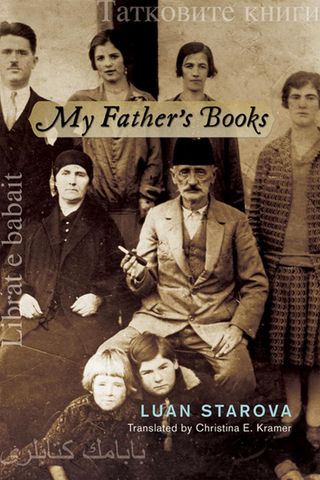
This is the second novel in Luan Starova's multivolume Balkan saga. Starova, born in 1941, wrote in both Macedonian and Albanian, and much of his fiction draws on the region's layered ethnic and political history. The novel is set in what is now North Macedonia's capital.