Bai Ganyo: Incredible Tales of a Modern Bulgarian
SynopsisPlot
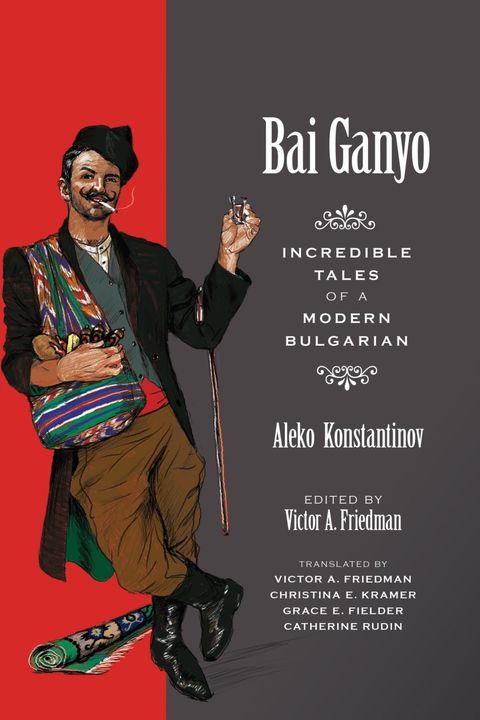
A comic classic of world literature, Aleko Konstantinov’s 1895 novel Bai Ganyo follows the misadventures of rose-oil salesman Ganyo Balkanski (“Bai” is a Bulgarian title of intimate respect) as he travels in Europe. Unkempt but endearing, Bai Ganyo blusters his way through refined society in Vienna, Dresden, and St. Petersburg with an eye peeled for pickpockets and a free lunch. Konstantinov’s satire turns darker when Bai Ganyo returns home—bullying, bribing, and rigging elections in Bulgaria, a new country that had recently emerged piecemeal from the Ottoman Empire with the help of Czarist Russia.
Story
About this book
Aleko Konstantinov's 1895 novel follows Ganyo Balkanski, a Bulgarian rose-oil salesman who travels across Europe. Bai is a Bulgarian title of familiar respect. Unkempt and shameless, Ganyo blusters through the drawing rooms and hotels of Vienna, Dresden, and St. Petersburg, always on guard against pickpockets and always looking for a free meal. His misadventures in polished European society form a series of comic episodes that expose his rough manners and the pretensions of the circles he passes through.
The satire shifts tone when Ganyo returns to Bulgaria. At home he turns from a bumbling traveler into a local operator who bullies, bribes, and rigs elections. Bulgaria was then a young state, having emerged in stages from Ottoman rule with backing from Czarist Russia. Konstantinov uses the homecoming to examine the distance between the country's European aspirations and its unsettled politics.
The book has been translated into most European languages. The English edition by Victor Friedman and fellow translators adds an introduction, glossary, and notes covering Bulgarian terms and historical background. Konstantinov built the tales as linked episodes rather than one continuous plot, so each chapter carries its own comic situation and cast of bystanders.