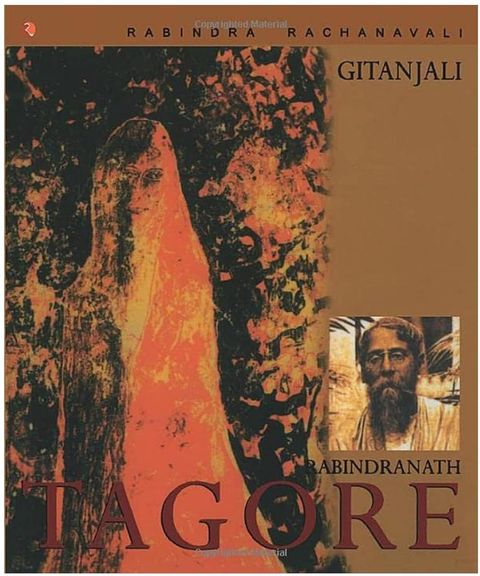
Gitanjali
SynopsisPlot
Translated by Tagore himself, the book contains fifty-three translated poems from the original Bengali version of Gitanjali: Rabindranath Tagore, as well as fifty other poems from eight of his other works on poetry and a drama titled Achalayatan. An integration of two words, 'Git' and 'Anjali,' meaning song and offering respectively, the literal meaning of the word is 'offering of songs.' and because of the strong devotional tone and subliminal spiritual incitation, the book can be said to have devotion to god as its theme. It highlights the poet's intense response to the magnificence of the universe or rather an affirmation of life with all its abundance, mystery and diversity.
Story
About this book
Gitanjali is a collection of 103 poems in English, translated by Rabindranath Tagore from his own Bengali writings. The title combines two Bengali words: git, meaning song, and anjali, meaning offering. Fifty-three of the poems come from the original Bengali Gitanjali, while the remaining fifty are drawn from eight other poetry collections and a drama called Achalayatan. Tagore produced the English versions himself, making this an unusual case of a poet serving as his own translator across two very different languages.
The poems carry a strong devotional tone, addressing themes of spiritual longing, the natural world, and an attentive wonder at the scale and variety of life. Rather than following a single narrative, the collection moves through moods of reverence, questioning, and quiet observation. Tagore writes about the relationship between the individual and something larger, whether understood as god, the universe, or the ordinary mystery of being alive. The language is plain and direct, closer to prose rhythm than to formal verse, which gives the poems an openness that has kept them accessible to readers in many countries and traditions.