The Good Muslim
SynopsisPlot
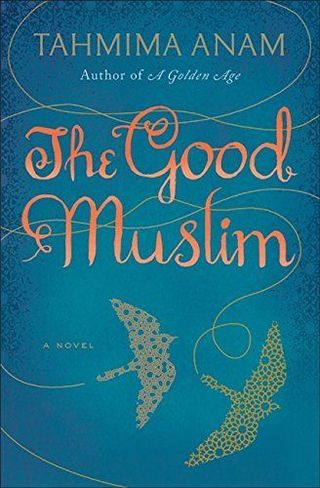
Set in Bangladesh at a time when Islamic fundamentalism is on the rise, The Good Muslim is an epic story about faith, family, and the long shadow of war. Tahmima Anam, the prize-winning author of A Golden Age, offers a moving portrait of a sister and brother who struggle with the competing loyalties of love and belief as they cope with the lasting ravages of war and confront the deeply intimate roots of religious extremism. Echoing the intensity and humanity of Thrity Umrigar’s The SpaceBetween Us, Abraham Verghese’s Cutting for Stone, and Kiran Desai’s TheInheritance of Loss, Anam’s “accomplished and gripping novel,” in the words of author Pankaj Mishra, “describes not only the tumult of a great historical event but also the small but heroic struggles of individuals living in the shadow of revolution and war.”
Story
About this book
The Good Muslim is Tahmima Anam's second novel, set in Bangladesh during a period when Islamic fundamentalism is gaining political ground. At its center are a sister and brother whose relationship fractures under the pressure of diverging beliefs. Both survived the 1971 Liberation War, the conflict that established Bangladesh as an independent nation after its separation from Pakistan. The war left deep marks on each of them, but they have absorbed its consequences in very different ways.
The sister holds on to the secular ideals that shaped the independence movement, while her brother turns toward religious conservatism. Their conflict is personal rather than abstract: it plays out inside a single family, touching questions of loyalty, grief, and identity that have no clean resolution. Anam grounds this tension in everyday domestic life, portraying how political shifts reshape private bonds.
Anam's first novel, A Golden Age, covered the 1971 war itself. The Good Muslim moves the timeline forward, examining what happens to a society and its people in the decades after a liberation struggle. The story is set against the specific geography and politics of Bangladesh, where the memory of war continues to shape public life.