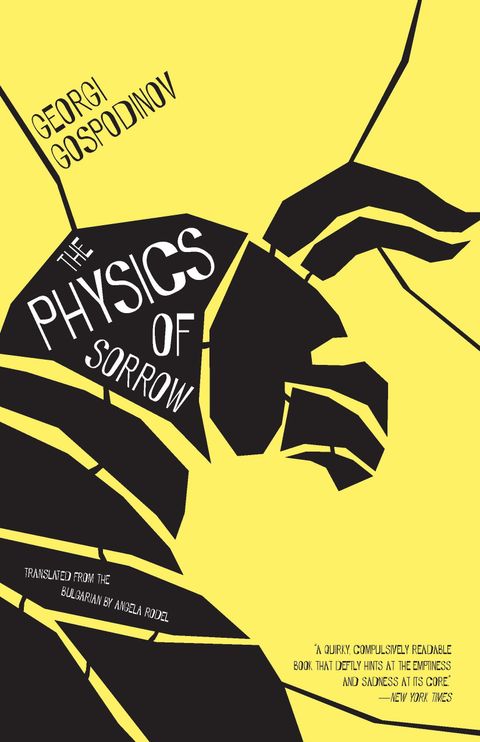
The Physics of Sorrow
SynopsisPlot
Using the myth of the Minotaur as its organizing image, the narrator of Gospodinov's long-awaited novel constructs a labyrinth of stories about his family, jumping from era to era and viewpoint to viewpoint, exploring the mindset and trappings of Eastern Europeans. Incredibly moving—such as with the story of his grandfather accidentally being left behind at a mill—and extraordinarily funny—see the section on the awfulness of the question "how are you?"
Story
About this book
Georgi Gospodinov's The Physics of Sorrow takes the Greek myth of the Minotaur as its organizing image and turns it toward something personal. The narrator assembles a labyrinth built not from stone but from family stories, moving between generations and viewpoints to trace the mindset and everyday trappings of Eastern Europeans. The Minotaur appears less as a monster than as a figure of isolation, sorrowful and misunderstood.
The book moves between eras and speakers by association rather than chronology, so a reader follows side passages instead of one straight corridor. Some sections carry considerable emotional weight, including an account of the narrator's grandfather being accidentally left behind at a mill. Others are openly comic, such as an extended complaint about the awfulness of asking someone how they are.
Gospodinov writes in Bulgarian and is among the most widely translated contemporary authors from Bulgaria, a country on the western shore of the Black Sea whose twentieth century included decades of communist rule. The novel's interest in ordinary Eastern European objects, habits and phrases sits against that background. Its labyrinth structure gives these scattered fragments a shape that can be entered from many directions.