The Sorrow of Belgium
SynopsisPlot
Returning home from his Catholic boarding school to Walle, Louis finds that his family is more than willing to collaborate with the Germans.
Story
About this book
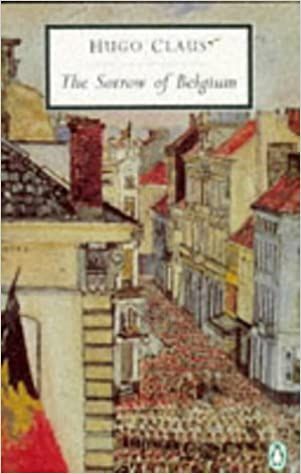
The Sorrow of Belgium, originally published in Dutch in 1983 as Het verdriet van België, is a novel by the Flemish writer Hugo Claus. It follows Louis Seynaeve, an adolescent growing up in the fictional Flemish town of Walle between 1939 and 1947. Louis returns home from his Catholic boarding school to discover that members of his own family are willing to cooperate with the German occupation. The story tracks his observations as wartime loyalty, opportunism, and ordinary life overlap in ways that are difficult for a young person to separate.
The novel is divided into two parts. The first, set largely in the boarding school, establishes Louis as a boy absorbing religion, language, and local culture without yet understanding the political pressures building around him. The second half moves into the occupation years and their aftermath, where collaboration is not a dramatic act of betrayal but something closer to social convenience for many in the community.
Claus uses Louis's limited, evolving perspective to show how a small Flemish town navigates foreign rule, Catholic authority, and Flemish nationalist sentiment during and after the Second World War. The book is widely regarded as Claus's central work and one of the major novels of twentieth-century Dutch-language literature.