Speechless
SynopsisPlot
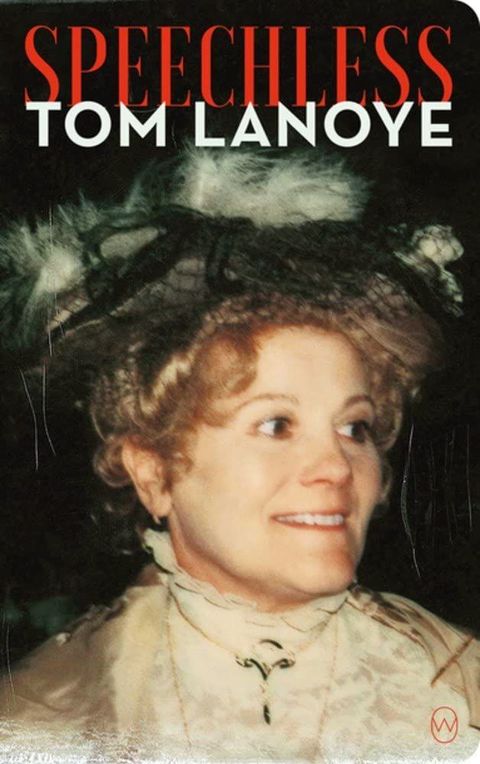
Flamboyant, proud and dominant, Josée is unrecognizable after suffering a stroke, which strips her of the ability to speak and express herself with the expansiveness for which she was known. With style and grace, Lanoye weaves together autobiography, testimony, and fiction to recount the last years of his mother’s life and the years before her stroke.
Story
About this book
Tom Lanoye's Speechless is a work that combines autobiography, testimony, and fiction to portray the life of his mother, Josée. A woman described as flamboyant, proud, and dominant, Josée suffered a stroke that took away her ability to speak and to express herself with the force that had defined her. The book traces the period after the stroke and also looks back at the years before it, building a portrait of someone through presence and absence alike.
Lanoye, a Belgian author known for his work as a playwright and poet, uses this personal account to explore his own upbringing alongside his mother's story. Part of the book addresses his experience of coming to terms with his homosexuality. The narrative moves between different modes of writing, shifting from recalled scenes to more constructed passages, which gives the text a layered quality shaped by both memory and craft.
The title points to the central fact of the book: a person once known for expansive self-expression is left without language. Lanoye's account stays close to the tension between who Josée was before the stroke and who she became afterward, grounding the story in specific domestic and family detail rather than abstraction.