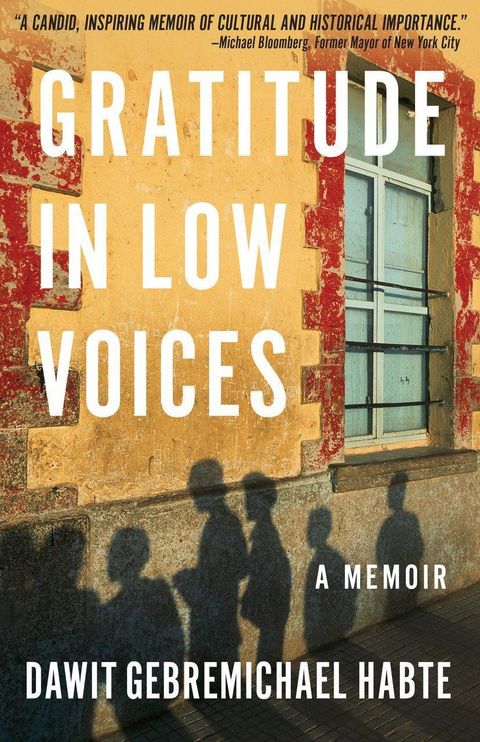
Gratitude in Low Voices
SynopsisPlot
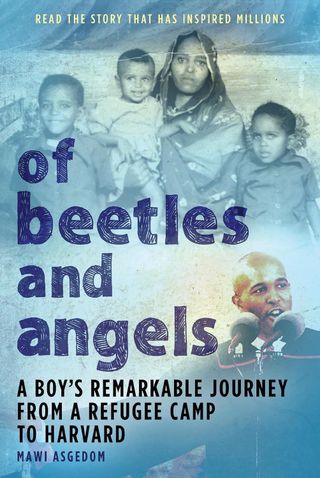
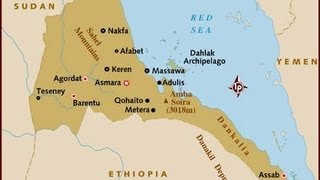
Dawit Gebremichael Habte fled his homeland of Eritrea as a teenager. In the midst of the ongoing Eritrean-Ethiopian war, Dawit and his sisters crossed illegally into Kenya. Without their parents or documents to help their passage, they experienced the abuse and neglect known by so many refugees around the world. But Dawit refused to give up. He stayed resilient and positive. Journeying to the United States under asylum—and still a boy—Dawit found a new purpose in an unfamiliar land. Against impossible odds, he studied hard and was accepted to Johns Hopkins University, eventually landing a job as a software engineer at Bloomberg. After a few years, with the support of Michael Bloomberg himself, Dawit returned to his homeland to offer business opportunities for other Eritreans. Dawit found a way to help his ancestral land emerge from thirty years of debilitating war.
Story
About this book
Dawit Gebremichael Habte grew up in Eritrea during the long conflict between Eritrea and Ethiopia. As a teenager, he and his sisters crossed into Kenya without parents or legal documents, facing the kinds of abuse and neglect that many refugees encounter when they travel without protection. The book follows Dawit from that difficult departure through his eventual arrival in the United States, where he was granted asylum while still a young person.
In the U.S., Dawit pursued his education with determination and was admitted to Johns Hopkins University. He went on to work as a software engineer at Bloomberg, where he eventually gained support from Michael Bloomberg to return to Eritrea and create business opportunities for others. The memoir traces how family bonds, outside help, and personal persistence shaped his path from a displaced teenager to someone able to contribute to his country of origin after roughly thirty years of war.
The title points to the book's recurring concern with quiet, sustained gratitude toward the people who helped along the way. Dawit's account addresses what it means to care for family across borders and how to respond to those who assist people in vulnerable circumstances.