Heart of Fire

SynopsisPlot
Born in 1974 to an Ethiopian mother and an Eritrean father, Senait Mehari was abandoned by her parents and spent her early years in a state orphanage. After four years she returned to her father, but as the onset of war threatened he made the shocking decision to give Senait and two of her stepsisters to the rebel troops of the Eritrean Liberation Front. Six-year-old Senait went on to spend three harrowing years in a training camp for child soldiers. She witnessed first-hand the brutalities of war, learned how to use a rifle and endured hunger, sickness, and beatings. In 1983, she and her sisters were rescued when her uncle arranged a daring escape to Sudan. After four years of living in Khartoum the sisters were summoned to Germany by their father, where life continued to prove difficult. At age 14 Senait left home to live on the streets, bought herself a cheap keyboard and began playing music.
Story
About this book
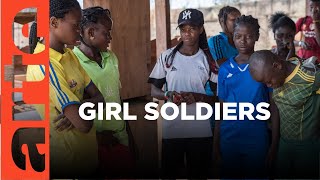
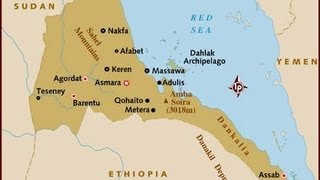
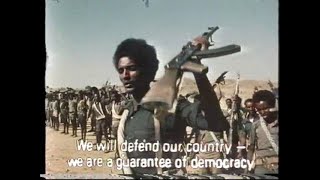
Senait Mehari was born in 1974 to an Ethiopian mother and an Eritrean father. Abandoned by both parents, she spent her first years in a state orphanage before returning to her father's care. When war between Eritrea and Ethiopia escalated, her father handed Senait and two of her stepsisters over to the Eritrean Liberation Front. She was six years old. For three years she lived in a training camp for child soldiers, where she was taught to handle a rifle and endured hunger, illness, and physical punishment.
In 1983, an uncle organized an escape that brought the sisters to Sudan. They lived in Khartoum for four years before their father, now in Germany, arranged for them to join him there. Life in Germany brought its own difficulties. By the age of fourteen, Senait had left home and was living on the streets. She bought a cheap keyboard and began teaching herself music, eventually building a career as a soul singer.
Heart of Fire is Mehari's account of these events, spanning the orphanage, the military camp, displacement across borders, and the slow process of finding stability in a new country. The memoir traces a childhood shaped by decisions made by adults during wartime, set against the broader conflict over Eritrean independence that lasted decades.